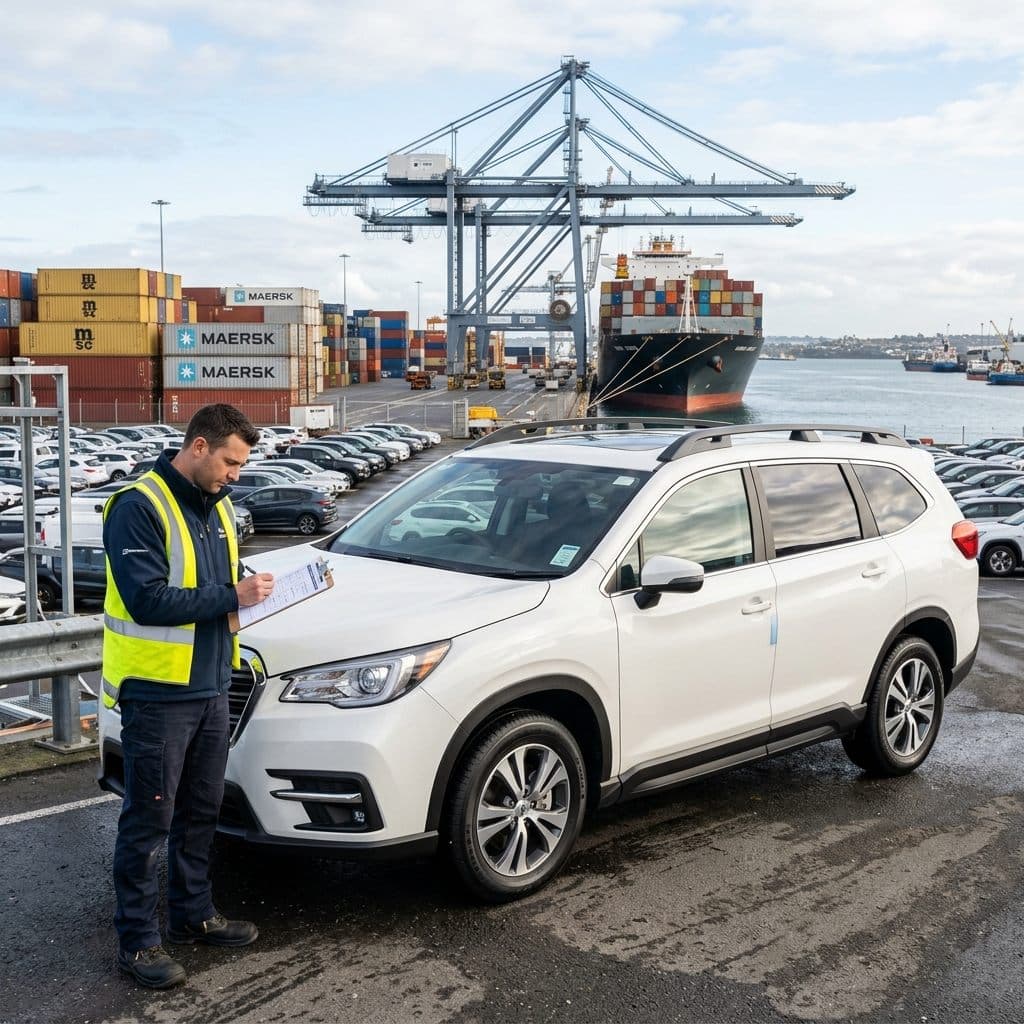
The most common mistakes shipping a car to Hawaii happen before the vehicle ever reaches the port. A car turned away at the gate for personal belongings or excess fuel means a missed sailing, a rebooking, and days or weeks of delay. This guide walks through the seven errors that cause the most grief, each one preventable with a little planning.
Car Shipping Hawaii arranges vehicle transport between the mainland and the islands through Matson, the ocean carrier. After 18 years of coordinating these shipments, Camilo has seen every version of these mistakes. The good news: none of them are complicated to fix once you know what to watch for.
Mistake 1: Leaving Personal Items in the Car
This is the single most frequent reason vehicles get rejected at the port gate. Matson's published preparation rules require the interior to be empty of personal belongings. The only exceptions are up to two child car seats and accessories the manufacturer installed. Everything else comes out: the glovebox contents, the trunk cargo, the phone charger, the sunglasses on the dash.
The rule exists for two reasons. First, personal items are not covered under any part of the shipment. Not by Matson's bill of lading, not by the overland carrier's cargo insurance, not by anyone. Second, port workers inspect vehicles before loading, and visible items mean the car does not board. The fix is simple but thorough: empty the car completely, check the seat pockets, and look under the seats. Do it the night before drop-off, not in the port parking lot.
Mistake 2: Arriving with More Than a Quarter Tank of Fuel
Matson requires fuel between one-eighth and one-quarter of a tank. Not above one-quarter, and not empty. The car must start and move under its own power, so bone-dry is a problem. But too much fuel is a bigger problem: the port will refuse the vehicle.
Run the tank down in the days before drop-off. If you are using door-to-port service, coordinate with the overland driver on timing so the car arrives at Long Beach Port or Oakland Port within the right range. A quarter tank is the ceiling, not the target. Aim for one-eighth and you will have margin.
Mistake 3: Not Building Buffer Before the Sailing Cutoff
The sailing cutoff belongs to the ship, not to your moving timeline. Matson vessels leave on fixed schedules, and a car that misses the cutoff waits for the next one. If you are shipping door-to-port, the overland leg adds days before the car even reaches the port. A tight timeline with no buffer turns a single delay into a missed sailing.
"I tell customers to book as soon as they know their move date," says Camilo Jaime, owner of Car Shipping Hawaii. "A port-to-port customer who drops off three days before the cutoff has room for a flat tire or a family emergency. A door-to-port customer needs to count backward from the cutoff, add the overland days, then add two or three more. That buffer is what keeps a delay from becoming a disaster."
The how it works page breaks down the steps from booking to pickup. Read it before you lock in dates, and build your schedule around the ship's schedule, not the other way around.
Mistake 4: Forgetting the Documents When Leaving Hawaii
Here is a detail that trips up customers who shipped to Hawaii without paperwork: the return trip has different rules. Shipping from the mainland to Hawaii requires no documents at all. Just the booking number and a government-issued photo ID at the gate, with the name on the ID matching the booking.
Shipping from Hawaii back to the mainland is different. You need the title (front and back) and the current registration, emailed to Car Shipping Hawaii with the booking number in the subject line at least 24 hours before drop-off. If the vehicle is financed, a lienholder authorization letter from the bank replaces the title. Two names on the title means both people present at drop-off, or a notarized power of attorney from the absent party. Someone else dropping off on your behalf needs a notarized power of attorney from the owner plus their own photo ID. Hilo Port also asks for the current safety check certificate.
The photo ID is shown at the gate; it is never emailed. The full breakdown lives on the documents page, which is worth reading before any eastbound shipment.
Mistake 5: Showing Up with an ID That Does Not Match the Booking Name
The name on the government-issued photo ID must match the name on the booking. This sounds obvious, but it catches people. A spouse books the shipment, the other spouse shows up to drop off, and the port cannot release the car to them without the booking name matching the ID.
The fix: book in the name of the person who will physically drop off and pick up the vehicle. If plans change and someone else needs to handle the port visit, sort it out with Car Shipping Hawaii before drop-off day, not at the gate. This applies at both ends, mainland and Hawaii.
Mistake 6: Not Photographing the Car at Drop-Off and Pickup
Damage claims live or die on documentation. A customer who notices a new scratch at pickup but signed the release paperwork without noting it has almost no recourse. The carrier's liability depends on proving when and where the damage occurred, and that proof is your job.
Before drop-off, wash the car (Matson requires it anyway for the condition survey). Take dated photos of every panel, the roof, the wheels, the bumpers. Photograph any existing damage so it is already on record. At drop-off, read the inspection report and make sure any pre-existing issues are noted. At pickup, inspect the car before you sign the release. If something is new, write it on the paperwork before you leave the port. Report damage to Car Shipping Hawaii the same day. The insurance and documentation post covers what is and is not covered on each leg of the trip.
Mistake 7: Assuming the Car Will Be Delivered to a House in Hawaii
This mistake comes from confusion about what "shipping to Hawaii" actually means. Standard service ends at the Hawaii port: Honolulu Port on Oahu, Kahului Port on Maui, Hilo Port on the Big Island, or Nawiliwili Port on Kauai. The car does not come to your door. You pick it up at the port with your ID and booking number after the USDA agricultural inspection clears the vehicle, typically about one business day after arrival.
Plan the pickup. Know which port your car is arriving at and arrange to be there or have someone with proper authorization ready. Do not leave the car sitting at the port longer than needed, as ports charge storage after their free days. The port-to-port service page explains exactly how pickup works.
A Few More Details That Matter
Beyond the seven mistakes above, a few other requirements catch customers off guard: • Running vehicles only. The car must start, steer, roll, and brake under its own power. The emergency brake must work. No check-engine, airbag, or tire warning lights. • No battery-electric or plug-in hybrid vehicles on the standard routes Car Shipping Hawaii books. Regular non-plug-in hybrids require year, make, model, and battery-system verification before Matson acceptance can be confirmed. • Alarm disabled, single key ring at drop-off. Remove any aftermarket alarm fobs. Leave one key. • No roof racks, bike racks, or cargo carriers. Remove anything that is not factory-installed.
Car Shipping Hawaii does not ship motorcycles, RVs, trailers, boats, or oversized vehicles. Standard personal vehicles only: cars, SUVs, pickups, vans.
Frequently Asked Questions
What happens if my car is rejected at the port? The vehicle does not board the scheduled sailing. You will need to correct whatever caused the rejection, whether that is removing personal items, draining fuel, or producing the right documents, and rebook for a later sailing. This can add a week or more to your timeline.
Can someone else drop off or pick up my car? Yes, but the logistics depend on the direction. For mainland-to-Hawaii shipments, the name on the ID must match the booking. For Hawaii-to-mainland shipments, someone else can drop off with a notarized power of attorney from the owner plus their own photo ID. Sort this out before drop-off day.
How do I know when my car is ready for pickup in Hawaii? Car Shipping Hawaii notifies you when the vehicle arrives. The car goes through a USDA agricultural inspection, typically about one business day, and then it is released for pickup. Check the FAQ page for more on tracking and timing.
What if my car has a cracked windshield? Damaged windshield or window glass requires Matson case-by-case review before acceptance can be confirmed. Mention it when you book so the team can verify whether the vehicle qualifies.
Is there any way to get the car delivered to my house in Hawaii? Standard service is port-to-port, ending at the Hawaii port. Contact Car Shipping Hawaii to ask about options, but plan on picking up at the port.
Avoiding mistakes shipping a car to Hawaii comes down to preparation: empty the car, run the fuel down, build buffer into your dates, gather documents if you are leaving the islands, photograph everything, and plan your port pickup. Each step is straightforward when you know what to expect.
Ready to book? Get a free instant quote at carshippinghawaii.com and lock in your sailing.
About Car Shipping Hawaii: Car Shipping Hawaii is a vehicle transportation broker led by Camilo Jaime, who has 18 years of experience shipping vehicles. It arranges door-to-port and port-to-port vehicle shipping between the US mainland and the Hawaiian Islands. Instant online quotes available at carshippinghawaii.com.