What Paperwork Do You Need for Military Car Shipping to Hawaii During PCS
Shipping your vehicle to Hawaii during a Permanent Change of Station (PCS) requires careful preparation, especially when it comes to documentation. Military car shipping is a structured process designed to ensure compliance, security, and smooth delivery.
One of the most important things to understand is the realistic transit timeline, which is typically 12 to 14 days, depending on port schedules and logistics coordination.
Having the correct paperwork ready in advance ensures your vehicle moves without delays and arrives safely at your destination
Required Paperwork for Military Car Shipping to Hawaii
Proper documentation is mandatory for PCS vehicle shipping. Missing or incorrect paperwork is one of the most common reasons for delays.
1. PCS Orders
PCS orders are the foundation of your shipment.
They confirm:
- Your official relocation to Hawaii
- Authorization for vehicle transport
- Eligibility for military-supported shipping
Without PCS orders, the shipment cannot proceed.
2. Vehicle Registration and Title
You must prove legal ownership of the vehicle.
Required:
- Valid vehicle registration
- Vehicle title
If your vehicle is financed:
- A lienholder authorization letter may be required
3. Valid Identification
Identity verification is required at both drop-off and pickup.
Accepted documents:
- Military ID
- Government-issued photo ID
Ensure all names match your shipping documents.
4. Power of Attorney
If someone else is handling your vehicle:
- A valid Power of Attorney (POA) is required
This allows a representative to act on your behalf.
5. Shipping Application Form
This form includes key shipment details:
- Vehicle information (make, model, VIN)
- Pickup and destination ports
- Contact information
Accuracy is critical to avoid processing issues.
Additional Documents That May Be Required
Depending on your case, you may also need:
- Vehicle inspection report
- Proof of insurance
- Lender authorization (if financed)
- Port booking confirmation
Preparing these ahead of time helps prevent last-minute delays.
Step-by-Step PCS Vehicle Shipping Process

Step 1: Receive PCS Orders
Once issued, you can begin the shipping process.
Step 2: Prepare Documentation
Gather all required paperwork before scheduling.
Step 3: Book Your Shipment
Schedule through an approved shipping provider.
Step 4: Vehicle Drop-Off at Port
Deliver your vehicle to the assigned port location.
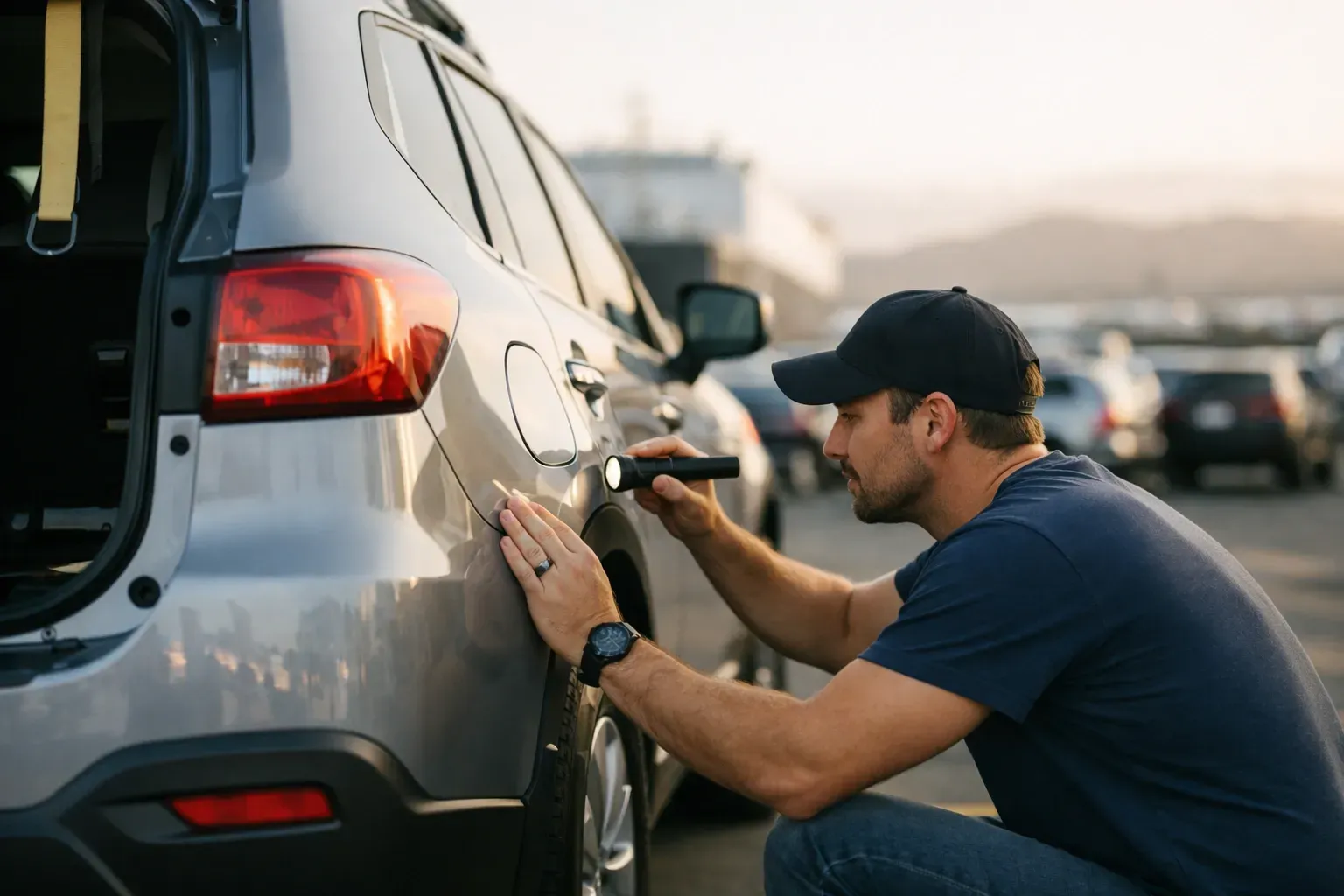
Step 5: Inspection and Verification
Your vehicle and documents are checked before shipment.
Step 6: Transit to Hawaii (12–14 Days)
Shipping typically takes 12 to 14 days, depending on logistics and port schedules.
Step 7: Pickup in Hawaii
Once your vehicle arrives, you will be notified for pickup.
Why Documentation Accuracy Matters
Avoid these frequent errors:
- Missing PCS orders
- Incorrect vehicle details (VIN mismatches)
- Expired registration
- Missing lienholder approval
- No Power of Attorney when required
Even small mistakes can delay your shipment.
Common Mistakes to Avoid
Accurate paperwork directly impacts your shipping experience:
Faster Processing
Complete documentation reduces delays.
Regulatory Compliance
Ensures adherence to military and transport regulations.
Secure Handling
Verifies ownership and prevents fraud.
Smooth Delivery
Prevents issues at the destination port.
Pro Tips for a Smooth Shipping Experience
- Keep both digital and printed copies of all documents
- Double-check all information before submission
- Confirm requirements with your shipping provider
- Clean your vehicle before inspection
- Remove all personal belongings
Conclusion
Military car shipping to Hawaii during PCS is a straightforward process when handled correctly. The key is preparation and accuracy.
With the correct paperwork and a clear understanding of the 12 to 14 day transit timeline, you can avoid delays and ensure a smooth shipping experience.

Camilo Jaime
Camilo Jaime is an experienced Hawaii auto transport specialist with deep knowledge in car shipping logistics, Matson vessel coordination, port protocols, military PCS relocations, and a wide range of ocean freight services. He understands the challenges that come with shipping vehicles to and from the Hawaiian islands for families, service members, and businesses alike.
Through his blogs at Car Shipping Hawaii, Camilo shares practical shipping tips, cost-saving advice, and insights drawn from real coordination experience. His goal is to help readers make confident decisions about Hawaii vehicle transport and learn straightforward ways to navigate port requirements, sailing schedules, and service options. With a clear and honest writing style, Camilo focuses on real solutions that make the car shipping process simple, stress-free, and affordable for every customer.
You Might Also Like