How to Inspect Your Car After It Arrives from Hawaii Car Shipping
Shipping a vehicle across the ocean requires planning, patience, and attention to detail. Once your car arrives, a proper Hawaii car shipping inspection becomes essential to ensure everything is in the same condition as before transit.
Since shipping a car to Hawaii typically takes 12 to 14 days, your vehicle goes through multiple handling stages, including loading, ocean transport, and unloading. That is why performing a complete vehicle inspection after shipping is critical.
This guide will walk you through how to inspect your car after Hawaii car shipping, helping you avoid costly mistakes and ensuring a smooth delivery experience.
Table of Contents
- Why a Hawaii Car Shipping Inspection Is Important
- Step-by-Step Hawaii Car Shipping Inspection Checklist
- What to Do If You Find Damage After Car Shipping Hawaii
- Common Mistakes in Vehicle Inspection After Shipping
- Pro Tips for a Better Hawaii Car Shipping Inspection
- How Long Do You Have to Report Damage
- Hawaii Car Shipping Timeline Explained
- Final Thoughts
Why a Hawaii Car Shipping Inspection Is Important
A proper car shipping Hawaii checklist protects you from unexpected issues and ensures your vehicle is delivered safely.
Here is why inspection matters:
- Confirms condition after Hawaii auto transport
- Helps identify damage during car shipping Hawaii
- Ensures all parts are intact after transit
- Supports claims if damage occurred
Skipping your vehicle inspection after shipping can lead to disputes and missed claim opportunities.
Step-by-Step Hawaii Car Shipping Inspection Checklist
1. Perform an Exterior Inspection
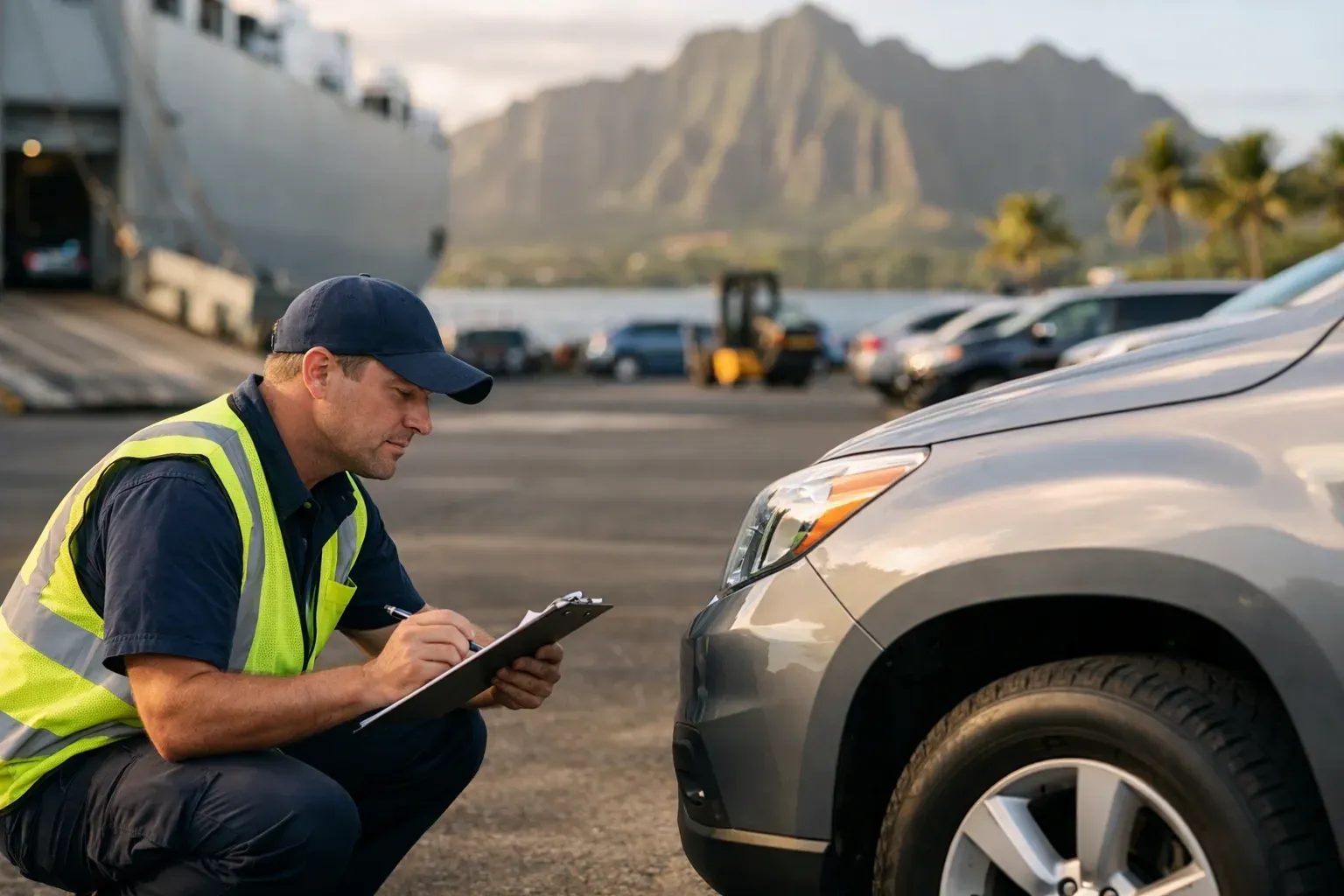
Start with a complete walkaround of your vehicle. This is the first step in any car shipping damage inspection.
Check for:
- Scratches, dents, or paint damage
- Bumper, mirror, or panel issues
- Tire condition
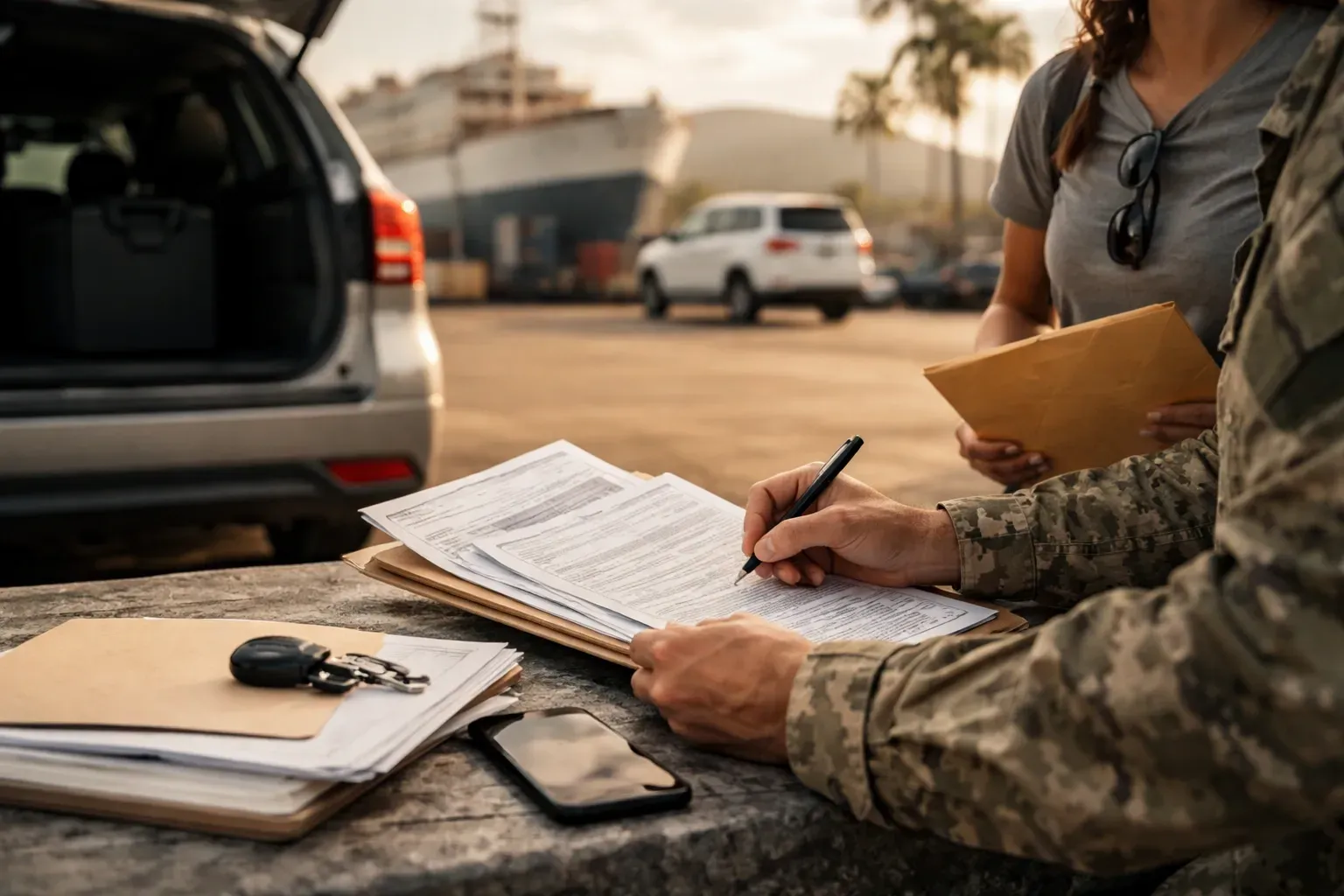
Compare everything with your Bill of Lading car shipping report, which documents the vehicle condition before shipment.
2. Check the Interior Condition
Your next step in the auto transport inspection checklist is inside the vehicle.
Inspect:
- Seats and upholstery
- Dashboard and controls
- Electronics and infotainment system
Interior damage is rare in Hawaii vehicle delivery process, but it should still be verified.
3. Verify the Odometer Reading
Mileage is an important factor in shipping car to Hawaii process.
- Small mileage changes are normal
- Large differences should be reported
This ensures your vehicle was not used beyond standard transport handling.
4. Inspect Under the Hood
A complete vehicle inspection after ocean transport Hawaii should include engine components.
Check:
- Battery condition
- Fluid levels
- Any visible leaks
Even though carriers do not operate your vehicle extensively, this step ensures everything is functioning correctly.
5. Test Drive the Vehicle
A short test drive is essential in your Hawaii auto transport inspection.
Test:
- Engine performance
- Brakes and steering
- Lights and signals
- Air conditioning
This step helps identify hidden issues after car shipping to Hawaii.
6. Compare with Bill of Lading (BOL)
The Bill of Lading car shipping document is your most important reference point.
Make sure to:
- Match pre-shipping condition
- Identify new damage
- Record all discrepancies
Never sign the document until your Hawaii car shipping inspection checklist step by step is complete.
What to Do If You Find Damage After Car Shipping Hawaii
If your car shipping damage inspection reveals any issues:
1. Take Photos and Videos
Capture clear evidence from multiple angles.
2. Note Damage on BOL
Always document damage before signing.
3. Report Immediately
Contact your shipping provider and begin the claims process.
Understanding how to report damage after car shipping Hawaii is essential to protect your rights.
Common Mistakes in Vehicle Inspection After Shipping
Avoid these mistakes during your auto transport inspection checklist:
- Skipping inspection due to time pressure
- Signing documents without checking
- Not documenting damage
- Ignoring small scratches
- Delaying reporting
Even minor issues can become major problems later.
Pro Tips for a Better Hawaii Car Shipping Inspection
Make your inspect car after Hawaii shipping process easier with these tips:
- Inspect your car in daylight
- Use a checklist for accuracy
- Keep your pre-shipping report handy
- Take detailed photos and videos
- Do not rush the inspection
A careful vehicle inspection after shipping ensures a smooth experience.
How Long Do You Have to Report Damage
In most Hawaii vehicle delivery process cases:
- Damage must be reported immediately
- Or within 24 to 48 hours
Always confirm timelines with your shipping provider.
Hawaii Car Shipping Timeline Explained
Understanding the shipping car to Hawaii process helps set expectations.
Typical transit time:
- 12 to 14 days
- Factors affecting delivery:
- Port schedules
- Weather conditions
- Shipping routes
Because your vehicle goes through multiple stages, a proper Hawaii car shipping inspection is essential.
Final Thoughts
Knowing what to check after shipping a car to Hawaii can save you from costly mistakes and unnecessary stress.
A proper Hawaii car shipping inspection checklist step by step ensures your vehicle arrives in the expected condition and gives you peace of mind.
By following this guide, you can confidently complete your vehicle inspection after ocean transport Hawaii and handle any issues the right way.

Camilo Jaime
Camilo Jaime is an experienced Hawaii auto transport specialist with deep knowledge in car shipping logistics, Matson vessel coordination, port protocols, military PCS relocations, and a wide range of ocean freight services. He understands the challenges that come with shipping vehicles to and from the Hawaiian islands for families, service members, and businesses alike.
Through his blogs at Car Shipping Hawaii, Camilo shares practical shipping tips, cost-saving advice, and insights drawn from real coordination experience. His goal is to help readers make confident decisions about Hawaii vehicle transport and learn straightforward ways to navigate port requirements, sailing schedules, and service options. With a clear and honest writing style, Camilo focuses on real solutions that make the car shipping process simple, stress-free, and affordable for every customer.
You Might Also Like