What Happens If Your Car Gets Damaged During Car Shipping Hawaii
Shipping your car across the ocean to or from Hawaii is a big step, and it is completely normal to wonder what might go wrong along the way. One of the most common concerns people have is damage during transit.
The reality is that most Hawaii car shipping services handle vehicles with care, and serious damage is uncommon. However, since the process involves port handling, ocean transport, and unloading, there is always a small level of risk.
The important thing is not just hoping nothing happens, but knowing exactly what to do if it does. When you understand the process, you stay in control and avoid unnecessary stress.
Table of Contents
- How Often Does Car Damage Happen During Hawaii Shipping
- Who Is Responsible If Your Car Is Damaged
- Why the Bill of Lading Matters So Much
- What to Do If Your Car Arrives Damaged
- How Insurance Works in Hawaii Car Shipping
- How Long Do You Have to Report Damage
- How to Reduce the Risk of Damage
- Common Mistakes to Avoid
- Understanding the Shipping Timeline
- Final Thoughts
How Often Does Car Damage Happen During Hawaii Shipping
Damage during car shipping to Hawaii is rare, especially when working with experienced carriers. Vehicles are secured properly for ocean transport, and inspections are done at multiple stages.
Still, minor issues can occasionally occur, such as:
- Small scratches or paint marks
- Minor dents during handling
- Cosmetic wear from transit conditions
These situations are exactly why the Hawaii auto transport process includes documentation and insurance coverage.
Who Is Responsible If Your Car Is Damaged

Responsibility depends on when and how the damage occurred.
Carrier Responsibility
If damage happens during transport due to handling, the shipping company is typically responsible.
This includes:
- Damage during loading or unloading
- Issues caused during ocean transit
- Mishandling at port facilities
In these cases, the carrier’s insurance covers the cost of repairs.
When Damage May Not Be Covered
There are also situations where damage may not be the carrier’s
responsibility:
- Pre-existing damage not recorded before shipping
- Personal belongings left inside the vehicle
- Mechanical issues unrelated to transport
This is why documentation is critical before and after shipping.
Why the Bill of Lading Matters So Much
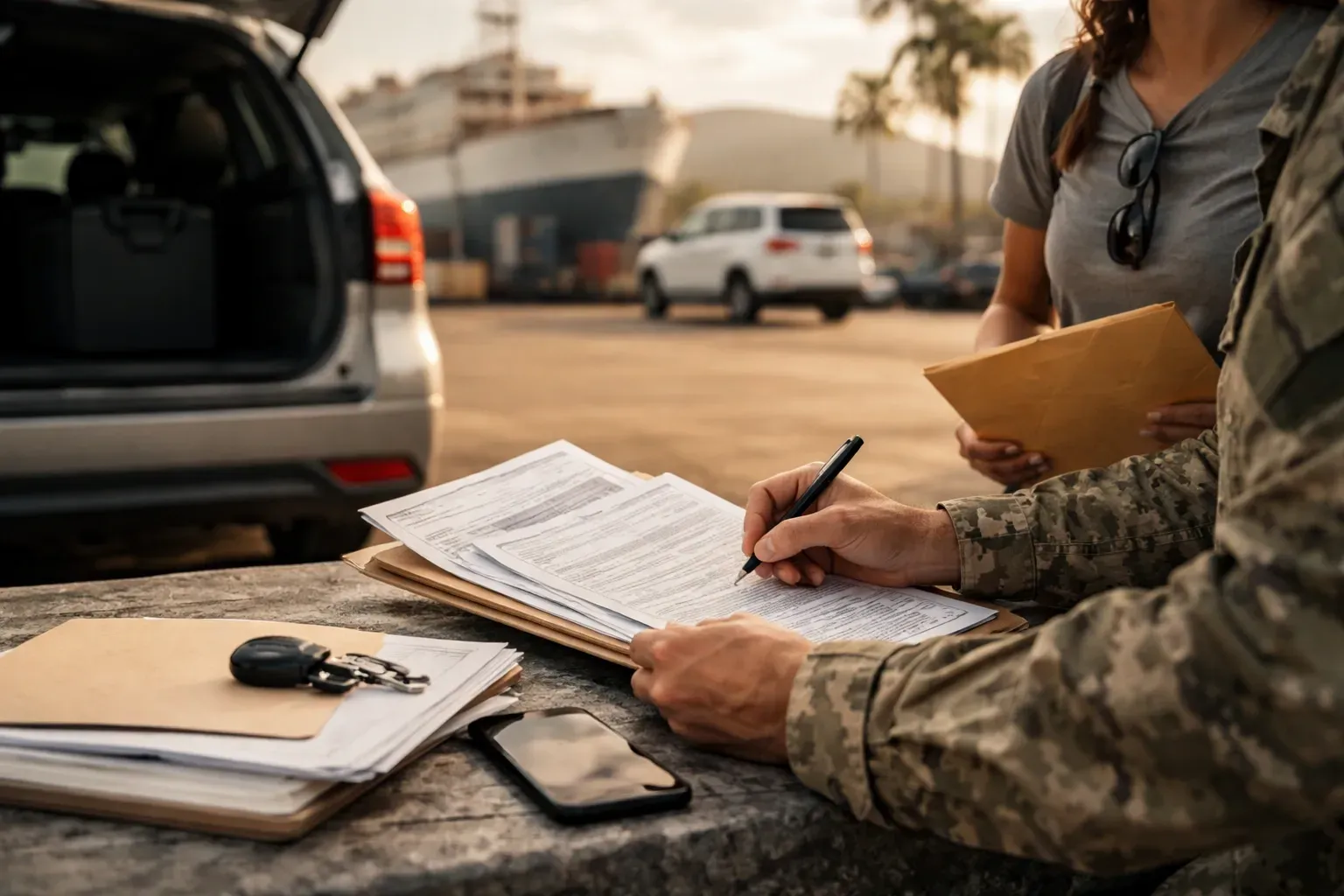
The Bill of Lading (BOL) is the most important document in the entire car shipping Hawaii process.
It serves as:
- A condition report before shipping
- A comparison point at delivery
- Proof in case of damage claims
When your car is picked up, its condition is recorded. When it is delivered, you compare that record to its current state.
If damage is not noted on the BOL at delivery, it becomes much harder to prove it happened during shipping.
What to Do If Your Car Arrives Damaged
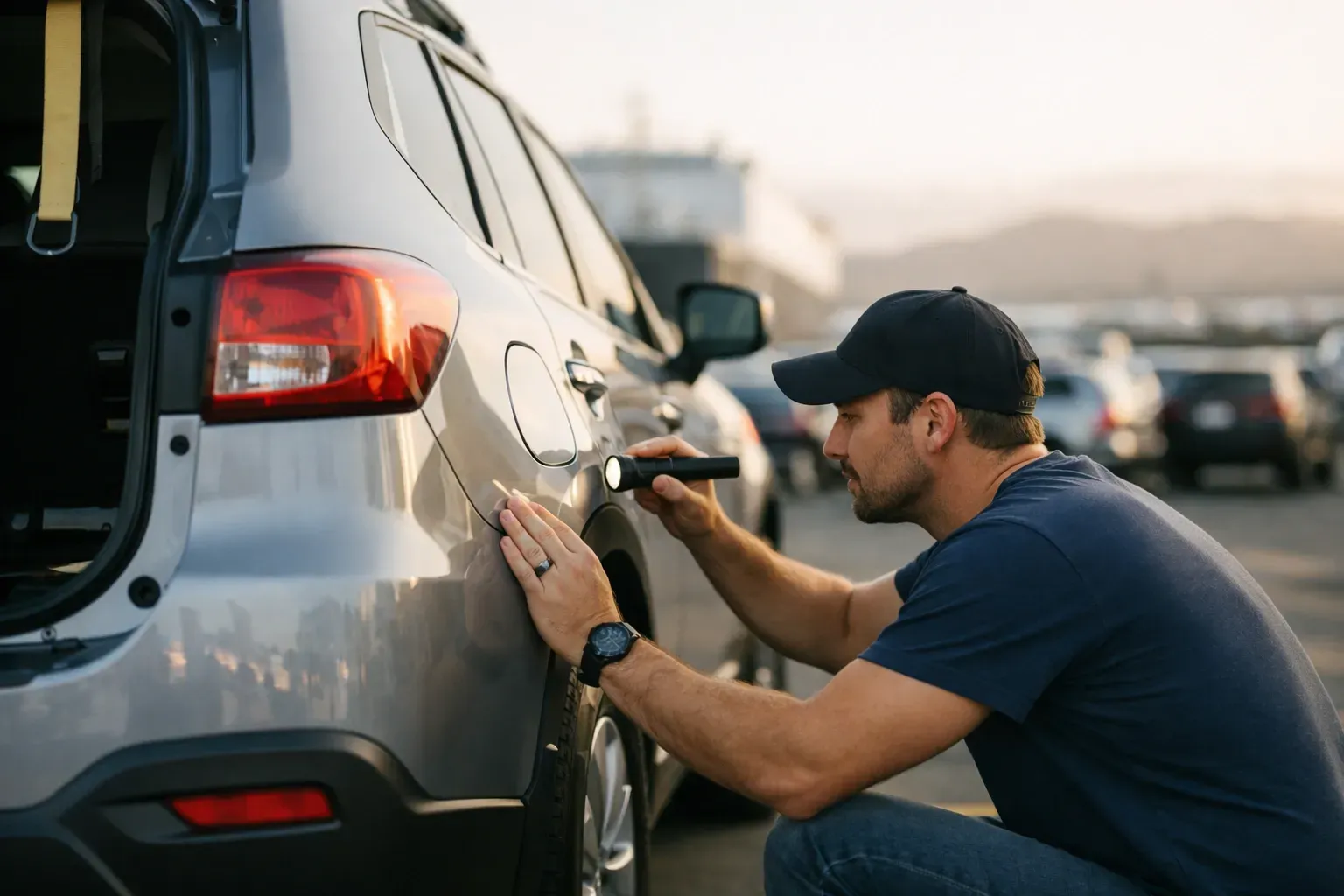
If you notice any issues during your Hawaii car shipping inspection, the key is to act immediately and stay organized.
1. Inspect Your Vehicle Carefully
Do not rush this step. Walk around your car slowly and check everything.
Look at:
- Exterior panels, bumpers, and mirrors
- Tires and wheels
- Glass and lights
Then check the interior and overall condition. This step is essential in any vehicle inspection after shipping.
2. Document the Damage Right Away
If you find anything unusual:
- Take clear photos from multiple angles
- Capture both close-ups and wider shots
- Make sure lighting is good and details are visible
This creates strong evidence for your car shipping damage claim.
3. Note Everything on the Bill of Lading
Before signing anything, write down all damage clearly on the BOL.
- Be specific about location and type of damage
- Ensure the driver acknowledges it
- Keep a signed copy for your records
- Never sign a clean document if damage is present.
4. Contact the Shipping Company Immediately
As soon as the inspection is done:
- Inform the company about the issue
- Share photos and documentation
- Ask for next steps in the claims process
Timing matters here. Delays can affect your claim.
5. File a Damage Claim
To proceed with a claim, you will usually need:
- Bill of Lading (pickup and delivery copies)
- Photos before and after shipping
- Repair estimates from a certified shop
Once submitted, the company reviews your case and works with their insurance provider.
How Insurance Works in Hawaii Car Shipping
Every professional Hawaii auto transport service includes cargo insurance.
Here is how the process generally works:
- You submit a claim with documentation
- The carrier reviews the details
- The insurance provider evaluates the damage
- Repair costs are approved or reimbursed
In most valid cases, repairs are covered without major complications.
How Long Do You Have to Report Damage
Most companies require:
- Immediate reporting at delivery
- Or within a short window (usually 24 to 48 hours)
Waiting too long can result in claim denial, even if the damage is real.
How to Reduce the Risk of Damage
While you cannot control every part of the process, you can reduce risk significantly.
Before shipping your car:
- Clean your vehicle so damage is easy to spot
- Take detailed photos from all angles
- Remove personal items
- Disable alarms
- Confirm all details on the BOL
These steps strengthen your position if anything goes wrong.
Common Mistakes to Avoid
Many issues during car shipping Hawaii come from simple mistakes.
Avoid these:
- Skipping the inspection at delivery
- Signing documents too quickly
- Not taking pre-shipping photos
- Ignoring small damage
- Delaying communication with the company
Being careful for just a few extra minutes can prevent major headaches.
Understanding the Shipping Timeline
Shipping a car to Hawaii is not instant. The full process typically takes 12 to 14 days, depending on scheduling and logistics.
During this time, your vehicle is:
- Received at the port
- Loaded onto a vessel
- Transported across the ocean
- Unloaded and prepared for pickup
Because of these stages, inspection at delivery is essential.
Final Thoughts
If your car gets damaged during Hawaii car shipping, it can feel frustrating, but it is not the end of the world. The process is designed to handle these situations fairly, as long as you follow the right steps.
The key is simple:
- Inspect carefully
- Document everything
- Report immediately
When you stay proactive, most issues can be resolved smoothly through the claims process.
Shipping your car should feel like progress, not stress. With the right approach, you can handle any situation confidently and keep everything under control.
Ship Your Car to Hawaii With Confidence
While damage during shipping is rare, having the right shipping partner ensures your vehicle is handled with care from start to finish. If you are planning to ship your car to or from Hawaii, you can connect with our team for reliable service and expert support.

Camilo Jaime
Camilo Jaime is an experienced Hawaii auto transport specialist with deep knowledge in car shipping logistics, Matson vessel coordination, port protocols, military PCS relocations, and a wide range of ocean freight services. He understands the challenges that come with shipping vehicles to and from the Hawaiian islands for families, service members, and businesses alike.
Through his blogs at Car Shipping Hawaii, Camilo shares practical shipping tips, cost-saving advice, and insights drawn from real coordination experience. His goal is to help readers make confident decisions about Hawaii vehicle transport and learn straightforward ways to navigate port requirements, sailing schedules, and service options. With a clear and honest writing style, Camilo focuses on real solutions that make the car shipping process simple, stress-free, and affordable for every customer.
You Might Also Like