Why Does Ship Car to Hawaii Cost Change by Season?
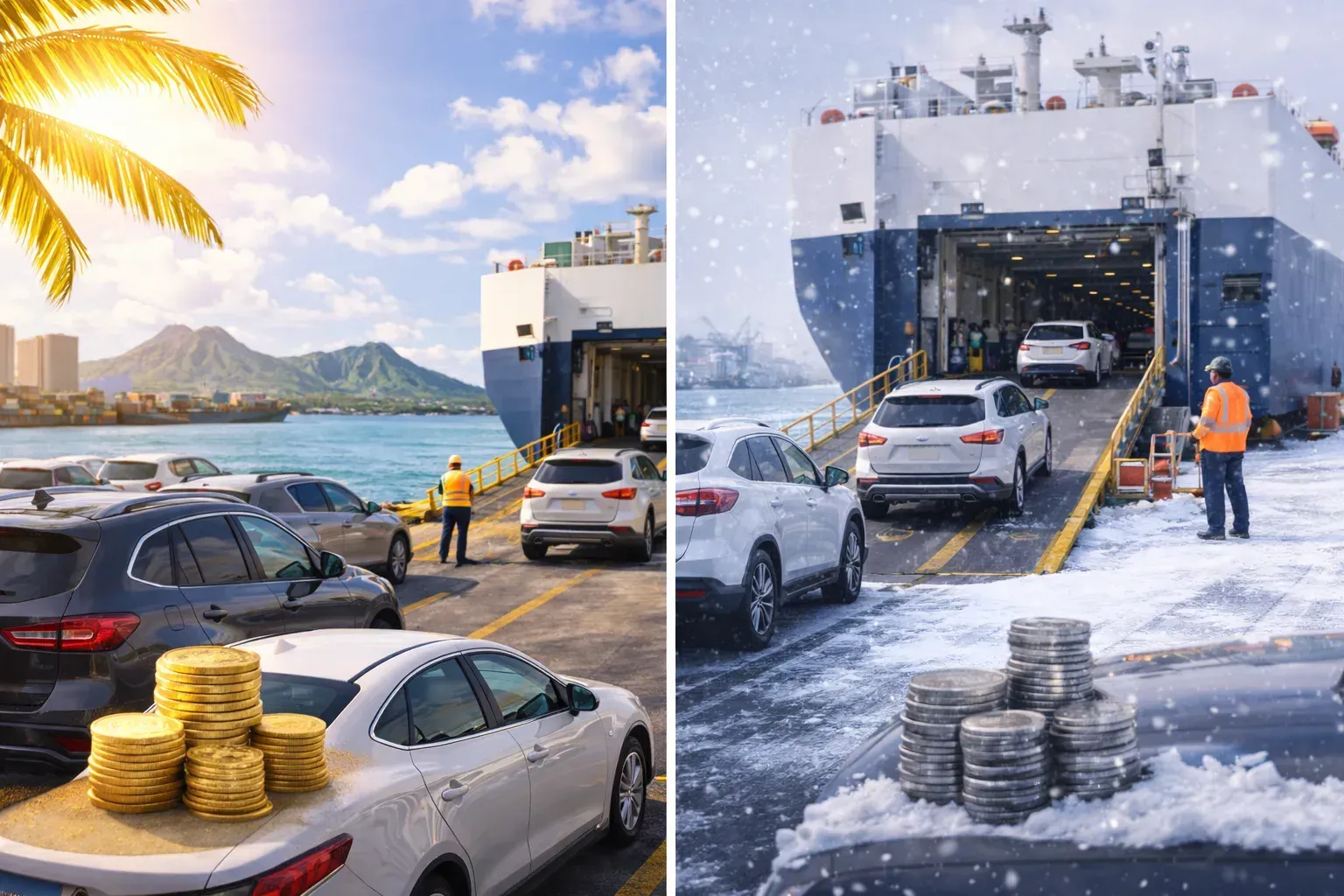
Many people are surprised to learn that the cost to ship a car to Hawaii can change noticeably depending on the time of year. Unlike buying a flight where prices fluctuate daily, Hawaii car shipping cost shifts in broader seasonal patterns and understanding those patterns can help you plan your transport more strategically.
Auto transport pricing is largely driven by supply and demand. When more people are trying to ship vehicles at the same time, capacity on Matson sailings fills up faster, carriers become harder to book, and vehicle shipping rates reflect that pressure. Conversely, slower periods mean more availability, more competitive pricing, and greater flexibility.
This guide explains why car shipping to Hawaii cost changes throughout the year, which seasons tend to be most expensive, and how to time your shipment to get the best value for your move.
Table of Contents
1.
Understanding Car Shipping to Hawaii Cost
2. How Seasonal Demand Affects Vehicle Shipping Rates
3. Summer Shipping Season
4. Winter Shipping Considerations
5. Ocean Freight Pricing and Shipping Capacity
6. Holiday and Peak Relocation Periods
7. Seasonal Pricing at a Glance
8. Best Time to Ship a Car to Hawaii
9. Tips for Managing Hawaii Car Shipping Cost
10. How Car Shipping Hawaii Helps You Navigate Seasonal Pricing
11.
Final Thoughts
Understanding Car Shipping to Hawaii Cost
Before diving into seasonal fluctuations, it helps to understand what makes up the baseline ship car to Hawaii cost. Every Hawaii shipment involves ocean freight via Matson, port handling charges at both departure and arrival terminals, and land transport depending on your chosen service type.
These core components don't change dramatically from month to month on their own. What creates seasonal variation is the demand pressure layered on top of them. When volume is high, carriers and ports operate closer to full capacity and pricing adjusts accordingly.
The factors that influence your final quote include:
- Your vehicle's origin and distance from a West Coast Matson terminal
- Your destination island in Hawaii
- Vehicle size and service type selected
- Current fuel surcharge rates
- Seasonal demand and available sailing capacity
Of these, seasonal demand is the one factor that customers have the most control over simply by planning ahead and timing their shipment thoughtfully.
How Seasonal Demand Affects Vehicle Shipping Rates
Hawaii auto transport follows a fairly predictable demand cycle tied to three main drivers: military PCS move schedules, general relocation patterns tied to the school calendar, and the broader summer moving season that affects the entire auto transport industry nationwide.
When demand spikes, the effects on vehicle shipping rates are real and measurable:
- Available carrier slots on mainland land transport routes fill up more quickly
- Matson sailing capacity books up weeks in advance rather than days
- Customers who wait too long may face limited options or higher pricing to secure preferred dates
- Last-minute bookings during peak season carry a significant premium
None of this means shipping during peak season is impossible it just means it requires more advance planning and often comes with higher auto transport pricing than the same shipment made during a slower period.
Summer Shipping Season
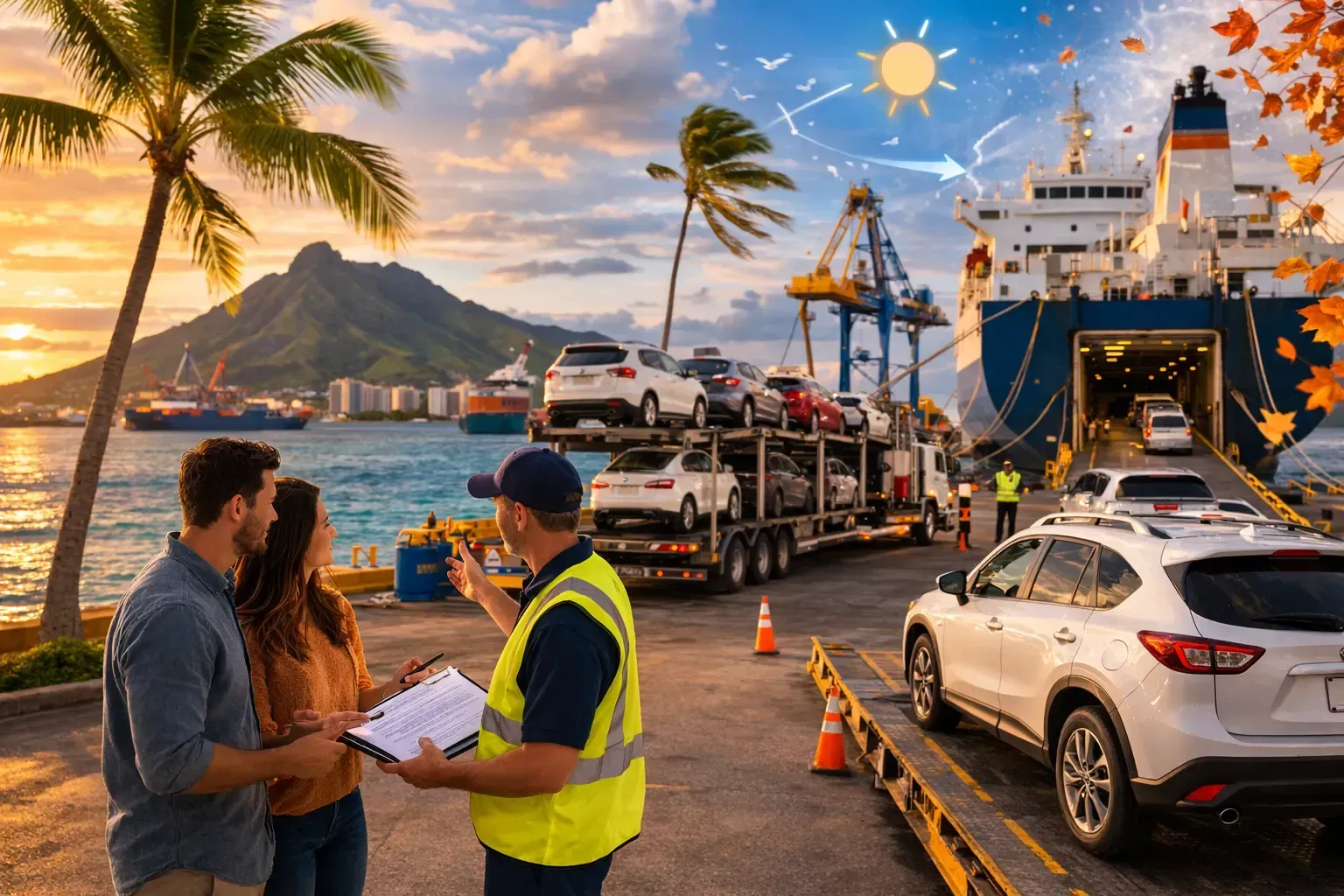
Summer roughly May through August is consistently the busiest period for car shipping to Hawaii. Several forces converge during these months to drive demand to its annual peak.
Military PCS Move Cycles
The US military issues the majority of Permanent Change of Station orders in spring, with most service members required to report to new assignments between May and August. Hawaii is home to several major installations including Pearl Harbor, Schofield Barracks, Marine Corps Base Hawaii, and Hickam Air Force Base. The result is a significant surge in vehicle shipping demand every summer as thousands of military families relocate to and from the islands.
General Relocation Season
Summer is the most popular time of year for household moves in the US, driven largely by families trying to relocate before the new school year begins. This affects mainland auto transport availability carriers are in high demand everywhere, not just on Hawaii routes which can push both land transport costs and overall Hawaii car shipping cost higher.
What This Means for Pricing
During peak summer season, customers who book 6 to 8 weeks in advance are in a much better position than those who wait. Both pricing and sailing date availability become significantly more constrained as departure dates approach. If your move falls during this period, early booking is not optional it's essential.
Winter Shipping Considerations
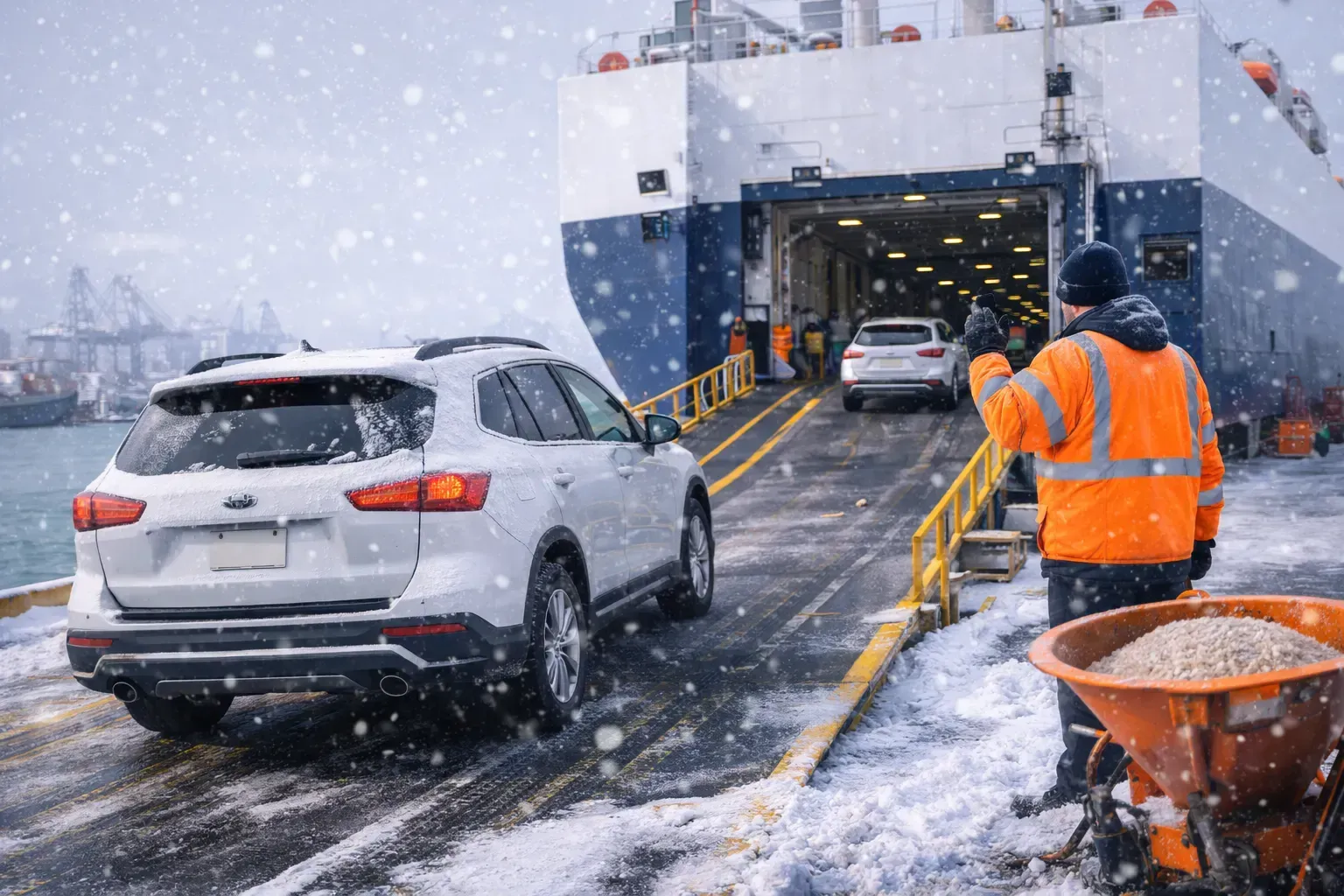
Winter December through February is generally the slowest season for Hawaii auto transport. Fewer people are relocating, military PCS cycles are at their quietest, and overall demand across the auto transport industry is at its annual low point.
From a pricing perspective, this is typically the most favorable window of the year for customers who have flexibility in their timing. Vehicle shipping rates during winter months tend to be lower, carrier availability is better, and sailing slots are easier to book without long lead times.
Weather and Scheduling Considerations
Winter does bring some logistical considerations worth noting. Mainland weather particularly in the Pacific Northwest and across northern land transport routes can occasionally cause delays for door-to-port shipments. Heavy snow or ice events may affect carrier scheduling on certain legs of the journey.
These delays are typically short and manageable, but customers shipping during winter should build a modest buffer into their timeline rather than scheduling their arrival in Hawaii immediately after their vehicle's expected delivery date.
Planning to ship your car to Hawaii? Car Shipping Hawaii provides reliable transport services and transparent pricing year-round. Call us at (808) 378-7540 or get a free quote online we'll help you find the right timing for your budget.
Ocean Freight Pricing and Shipping Capacity
The ocean leg of your vehicle's journey from a West Coast Matson terminal to Hawaii operates on a fixed sailing schedule. Matson vessels depart on set dates, and each sailing has a finite amount of vehicle capacity. When demand is high, that capacity fills up faster.
Ocean freight pricing itself the base rate for the Pacific crossing does not fluctuate as dramatically as airline ticket prices. However, the surcharges and adjustments layered on top of base ocean freight rates do respond to fuel costs and market conditions throughout the year.
Key ocean freight pricing factors include:
- Base ocean freight rate for your vehicle class and destination island
- Fuel surcharge, which adjusts periodically based on the current bunker fuel index
- Seasonal capacity adjustments when high demand compresses available slots
- Inter-island barge surcharges for Maui, Kauai, and Big Island deliveries
Understanding that ocean freight pricing is only one component of your total ship car to Hawaii cost helps put seasonal variation in context. Even when base ocean rates hold steady, the land transport and port logistics side of the equation can shift with seasonal demand.
Holiday and Peak Relocation Periods
Beyond the broad summer peak, a few specific periods throughout the year create localized demand spikes worth planning around:
Spring Break and Early Summer (March to May)
As PCS orders begin to arrive and families start planning summer moves, demand for Hawaii auto transport builds rapidly from March onward. This spring ramp-up period can catch customers off guard if they assume summer pricing doesn't kick in until June or July.
End of Year Holiday Period (Late November to Early January)
The period between Thanksgiving and New Year tends to see reduced carrier availability as many auto transport drivers take time off. While overall shipping demand is lower, booking during this window requires more lead time than the quiet demand numbers might suggest.
Back-to-School Window (Late July to August)
The final weeks of summer see a rush of last-minute relocations as families try to get settled before school begins. This late-season surge can extend elevated pricing well into August, making July the riskiest month to leave booking to the last minute.
Seasonal Pricing at a Glance
Here's a summary of how seasonal demand typically affects Hawaii car shipping cost and what to keep in mind when planning your booking:
| Season | Demand Level | Key Drivers | Booking Tip |
|---|---|---|---|
| Spring (Mar–May) | High | PCS cycle begins; relocation season starts | Book 4–6 weeks ahead |
| Summer (Jun–Aug) | Peak | Highest demand; military moves; school relocations | Book 6–8 weeks ahead |
| Fall (Sep–Nov) | Moderate | Demand eases; more flexible scheduling available | Book 3–4 weeks ahead |
| Winter (Dec–Feb) | Lower | Slowest period; best pricing windows available | Book 2–3 weeks ahead |
Best Time to Ship a Car to Hawaii
If you have genuine flexibility in your moving timeline, fall is generally the best season to ship a car to Hawaii. September through November offers a combination of lower demand, better carrier availability, more competitive vehicle shipping rates, and more flexible sailing date options compared to the summer peak.
Late winter January and February is the second most favorable window, though the weather-related considerations mentioned earlier apply during this period.
The practical reality is that most people's shipping timeline is dictated by their move date, their reporting date for military assignments, or their employment start date not by seasonal pricing strategy. In those cases, the solution is not to change your timing but to book as early as possible to lock in your rate before demand pushes pricing higher.
For a deeper look at timing, see our guide on how long it takes to ship a car to Hawaii to build a realistic timeline around your move date.
Tips for Managing Hawaii Car Shipping Cost
Regardless of what season you're shipping in, these habits consistently help customers keep their auto transport pricing as manageable as possible:
- Book early ideally 4 to 6 weeks in advance during off-peak periods, and 6 to 8 weeks during spring and summer
- Request an itemized quote so you can see exactly where costs are coming from and compare providers accurately
- Consider port-to-port shipping if you're on the West Coast it removes the mainland land transport leg and reduces overall cost
- Avoid scheduling your shipment around major holidays when carrier availability drops unexpectedly
- Be flexible on sailing dates if possible even a one-week shift can sometimes open up better pricing
- Ship your vehicle ahead of your own travel if your timeline allows rushing to match a specific arrival window limits your options
Also review the Hawaii car shipping checklist and transit times by island so your overall planning accounts for the full door-to-door timeline.
How Car Shipping Hawaii Helps You Navigate Seasonal Pricing
At Car Shipping Hawaii, we work with customers year-round through peak summers, quiet winters, and every period in between. Our team monitors Matson sailing schedules and carrier availability on an ongoing basis, which means we can advise customers on timing in a way that reflects current conditions rather than generic seasonal estimates.
When you request a quote, we factor in your specific timeline, origin, vehicle type, and destination island not a one-size-fits-all range. If there's an opportunity to save money by adjusting your sailing date or service type, we'll tell you.
We also offer dedicated support for military families navigating PCS moves during the peak summer season, when the stakes around timing and availability are highest.
Learn more about our military car shipping services or explore our full range of Hawaii auto transport options to find the right fit for your move.
Final Thoughts on Seasonal Car Shipping Costs
Seasonal demand is one of the most predictable factors in Hawaii car shipping cost and that makes it one of the most manageable ones. The patterns are consistent year over year: summer peaks, fall eases, winter quiets, and spring starts building again.
Knowing where you fall in that cycle helps you set realistic expectations, book at the right time, and avoid the kind of last-minute scramble that consistently leads to higher costs and fewer options. Whether your move is driven by a military order, a job change, or a personal decision to relocate, timing your shipment with seasonal pricing in mind is one of the simplest ways to make your move more cost-effective.
When you're ready to get a real number for your situation, our team is here to walk you through it.
Ready to lock in your rate before pricing climbs? Call Car Shipping Hawaii at
(808) 378-7540
or request a free quote online. Transparent pricing, reliable service, and year-round availability we're here whenever your move is.
Camilo Jaime
Camilo Jaime is an experienced Hawaii auto transport specialist with deep knowledge in car shipping logistics, Matson vessel coordination, port protocols, military PCS relocations, and a wide range of ocean freight services. He understands the challenges that come with shipping vehicles to and from the Hawaiian islands for families, service members, and businesses alike.
Through his blogs at Car Shipping Hawaii, Camilo shares practical shipping tips, cost-saving advice, and insights drawn from real coordination experience. His goal is to help readers make confident decisions about Hawaii vehicle transport and learn straightforward ways to navigate port requirements, sailing schedules, and service options. With a clear and honest writing style, Camilo focuses on real solutions that make the car shipping process simple, stress-free, and affordable for every customer.
You Might Also Like