What Items Are Allowed in Your Car During Car Shipping Hawaii
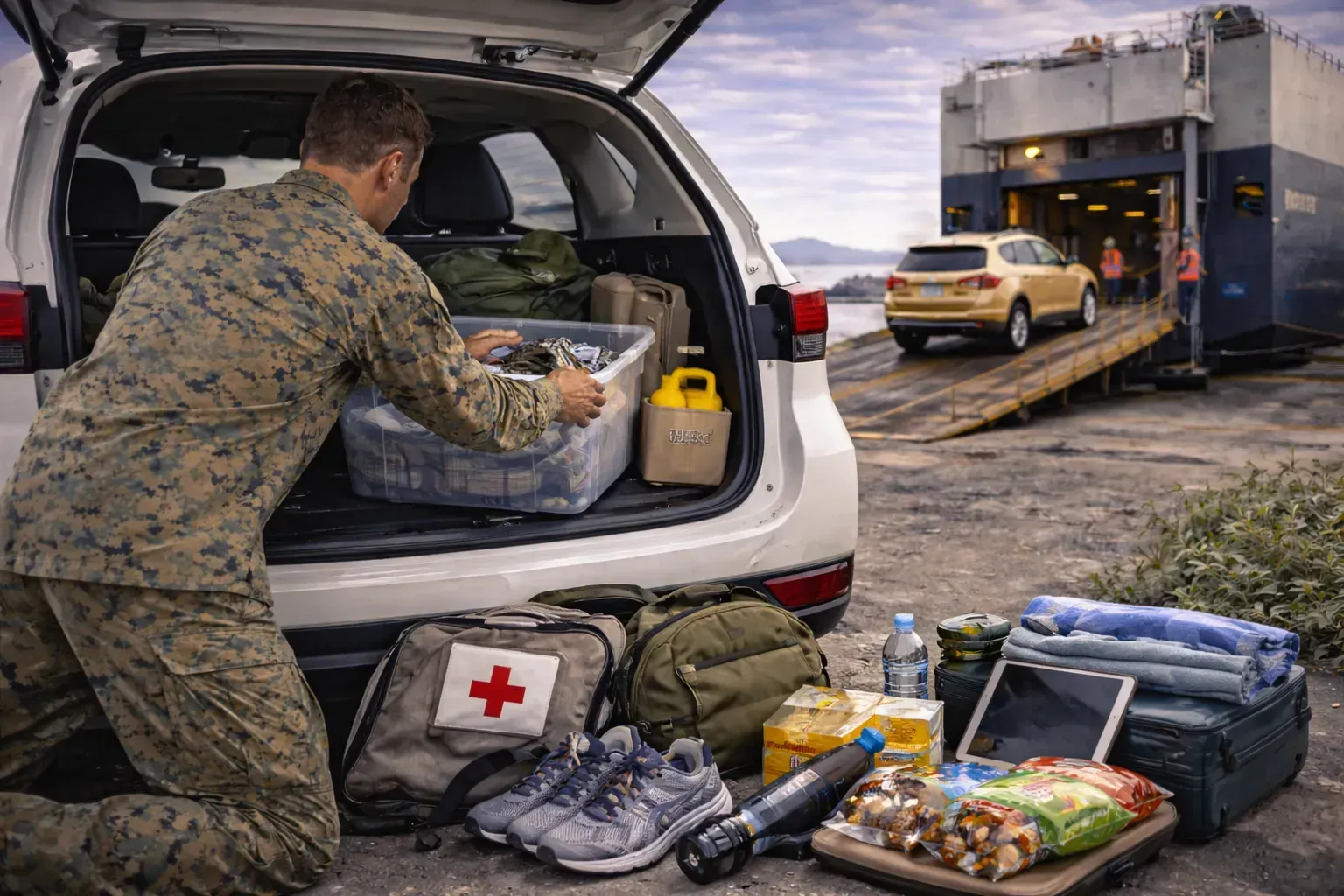
When shipping a car to Hawaii, one of the most common questions customers ask is whether they can leave personal items inside the vehicle during transport. It seems like a simple question but the answer involves federal regulations, maritime law, and the specific auto transport requirements that apply to ocean freight carriers like Matson.
The short answer is: very little is actually permitted. Federal and maritime regulations restrict personal items inside vehicles during ocean transport, and carriers enforce those rules at the terminal. Arriving at the port with a car full of personal belongings is one of the most common and most avoidable causes of vehicle rejection, shipment delays, and unexpected fees.
This guide explains the car shipping rules that apply when you ship car to Hawaii, what is and isn't allowed inside your vehicle, and how to prepare properly so your shipment goes smoothly from the very first step.
Table of Contents
1.
Understanding Car Shipping Rules for Hawaii
2. Items Commonly Allowed in Your Vehicle
3. Items That Are Not Allowed
4. Why Shipping Companies Limit Items in Vehicles
5. Auto Transport Requirements for Vehicle Preparation
6. Vehicle Inspection Before Shipping
7. Tips for Preparing Your Vehicle for Hawaii Car Shipping
8. How Car Shipping Hawaii Helps Customers Prepare
9. Final Thoughts
Understanding Car Shipping Rules for Hawaii
Car shipping rules for Hawaii are not arbitrary policies they exist because vehicles transported by ocean freight are subject to both US federal regulations and international maritime safety standards. These rules are enforced at the Matson terminal before your vehicle is accepted for loading onto the vessel.
The core principle is simple: a vehicle being shipped is cargo, not a storage container. During the ocean crossing, your car is secured on a Roll-on/Roll-off deck aboard the Matson vessel alongside other vehicles. Any items left inside add weight, shift during transit, and in the case of hazardous materials, pose a genuine safety risk to the ship and its crew.
These auto transport regulations apply to every customer regardless of shipment type door-to-port, port-to-door, or port-to-port. There are no exceptions based on service level or shipping history.
Items Commonly Allowed in Your Vehicle
The list of items permitted inside a vehicle during Hawaii car shipping is very short.
Only the following vehicle-related items are generally accepted:
- The spare tire that came standard with your vehicle
- The car jack and associated factory tools
- One first-aid kit stored in its proper location
- Factory-installed floor mats that are part of the vehicle
These items are allowed because they are standard safety equipment considered part of the vehicle itself not personal belongings being transported separately. Everything else needs to come out before your vehicle reaches the terminal.
Some customers assume that small items tucked in the glove compartment, trunk, or under a seat will go unnoticed. That is not a reliable assumption. Terminal inspectors are thorough, and vehicles found to contain prohibited items are subject to delays, secondary inspection fees, and in some cases outright rejection until the vehicle is cleared.
Items That Are Not Allowed
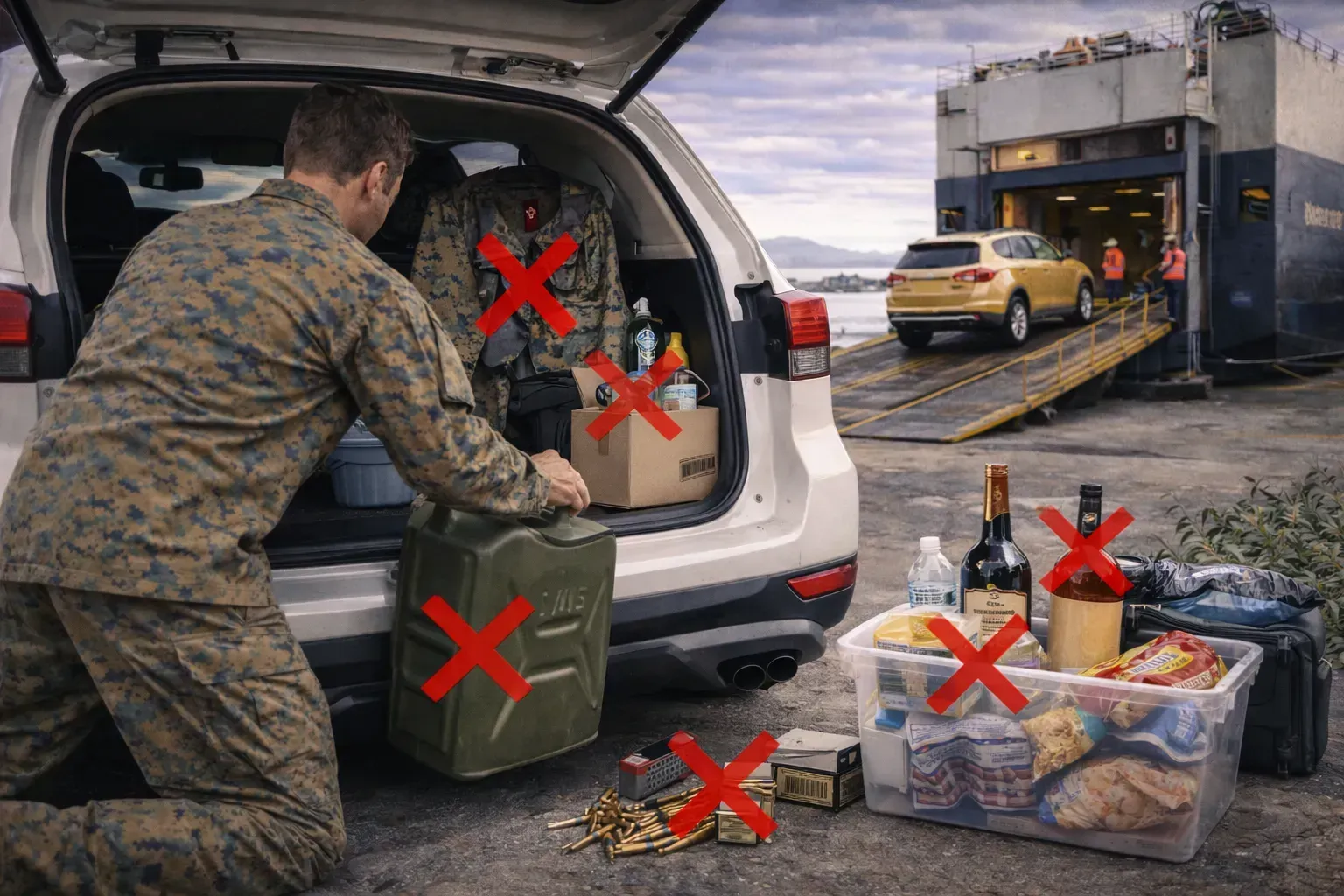
The list of prohibited items is considerably longer. When preparing your vehicle for car shipping to Hawaii, every one of the following must be removed before the car reaches the Matson terminal.
Hazardous Materials
This category is the most strictly enforced and carries the most serious consequences if violated. Prohibited hazardous materials include flammable liquids and extra fuel containers, aerosol cans and spray products, propane tanks and compressed gas, firearms and ammunition, and any bleach, paint, or corrosive chemicals. Hazardous materials are prohibited under maritime law without exception. Violations can result in fines and legal liability on top of shipment refusal.
Household Goods and Personal Belongings
Many people relocating to Hawaii are tempted to use the vehicle as extra moving space. This is not permitted. Clothing, luggage, bags, bedding, books, food items, groceries, sports equipment, and any boxed household goods must all be removed. Personal belongings loaded inside a shipped vehicle are not covered by the carrier's insurance, and they will be removed during the terminal inspection regardless.
Valuables and Electronics
Cash, credit cards, and financial documents should never be left in a vehicle during shipping. The same applies to laptops, tablets, cameras, portable electronics, jewelry, watches, passports, and any other personal valuables. These items are not covered under the shipping carrier's liability policy. If they are damaged, lost, or stolen during transport, there is no recourse through the shipping company. Transport these items with you personally always.
Preparing to ship your vehicle to Hawaii? Car Shipping Hawaii guides you through every auto transport requirement so your vehicle clears the terminal without delays. Call us at
(808) 378-7540
or request a free quote today.
Why Shipping Companies Limit Items in Vehicles
The restrictions on what can be inside a vehicle during vehicle shipping to Hawaii reflect genuine safety, legal, and operational realities not just company policy preferences.
Safety During Ocean Transit
The Pacific crossing can involve varying sea conditions. Loose items shift inside vehicles during transit and can cause interior damage or create hazards for other vehicles secured nearby on the deck. Hazardous materials present a far more serious risk one that extends to the vessel and everyone aboard it.
Insurance Coverage Limitations
Auto transport carriers insure the vehicle, not its contents. The carrier's liability policy covers damage to the car itself caused during transport not personal property left inside. Customers who leave valuables in their vehicle have no insurance protection for those items whatsoever.
Port Inspection Procedures
Matson terminals conduct vehicle inspections before accepting each car for loading. Part of that process is confirming the interior is clear of prohibited items. Vehicles that fail this check are held at the terminal until they are brought into compliance and customers who miss their scheduled sailing because of this must wait for the next available date.
Auto Transport Requirements for Vehicle Preparation
Beyond clearing personal items, there are several additional auto transport requirements that apply when preparing your vehicle for Hawaii car shipping.
Fuel Level
Reduce fuel to approximately a quarter tank before drop-off or pickup. This is a standard maritime safety requirement. A full tank adds unnecessary weight and increases flammability risk during ocean transit.
Battery Condition
Your vehicle's battery must be in good working condition. The car needs to start reliably at the terminal for inspection, during loading, and again when it is unloaded at the destination port. A weak or dead battery causes delays and can result in additional handling charges.
Vehicle Cleanliness
Washing your vehicle before shipping serves a practical purpose it makes the pre-shipment inspection more accurate. A clean exterior makes it easier to identify and document any pre-existing scratches or dents, which protects you if any damage is reported after delivery.
Operability
All vehicles must be fully operational at the time of drop-off. They need to start, drive, steer, and brake without issue. If your vehicle is non-running, this must be disclosed at the time of booking. Non-running vehicles require specialized equipment and cannot simply show up at the standard terminal gate.
Vehicle Inspection Before Shipping
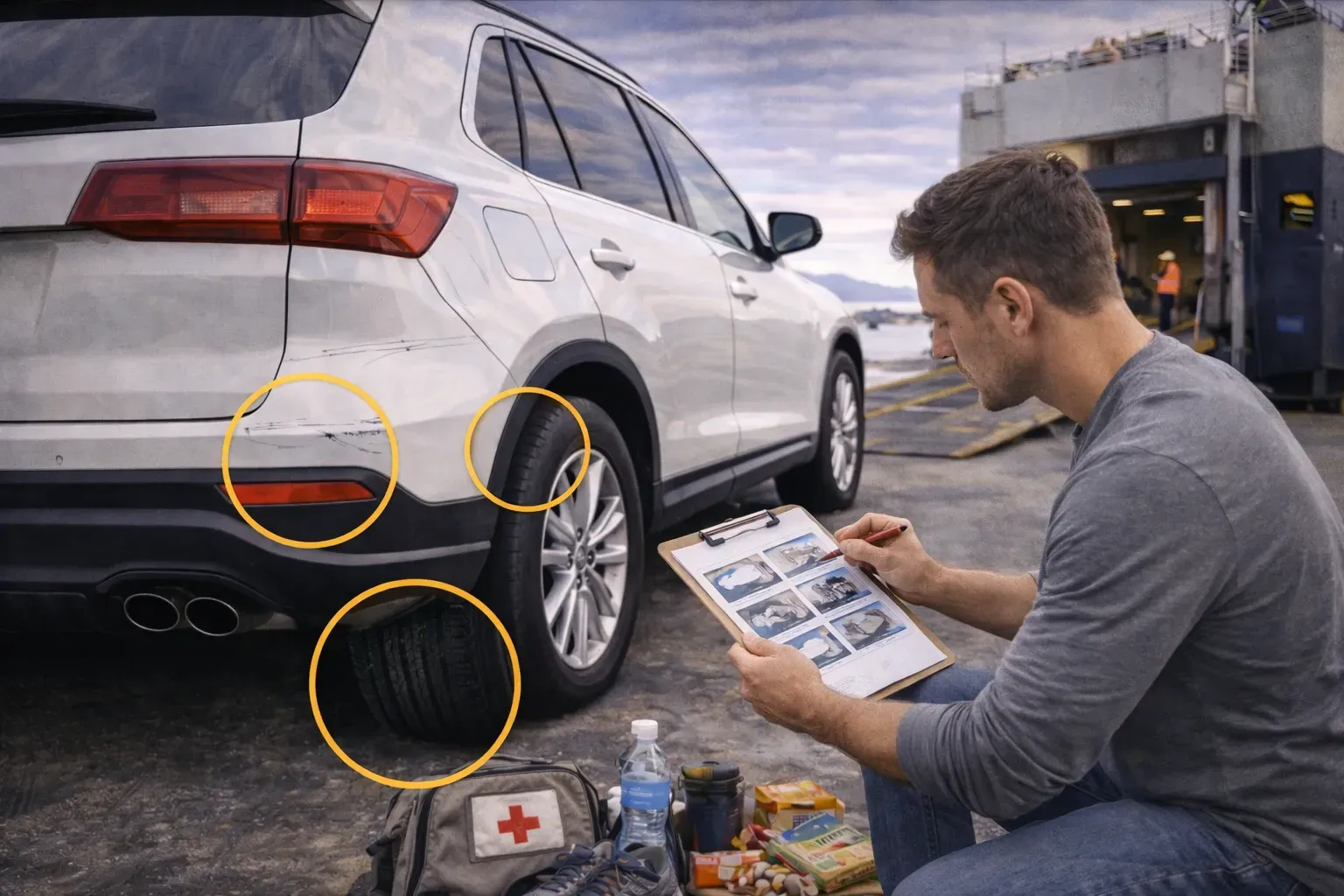
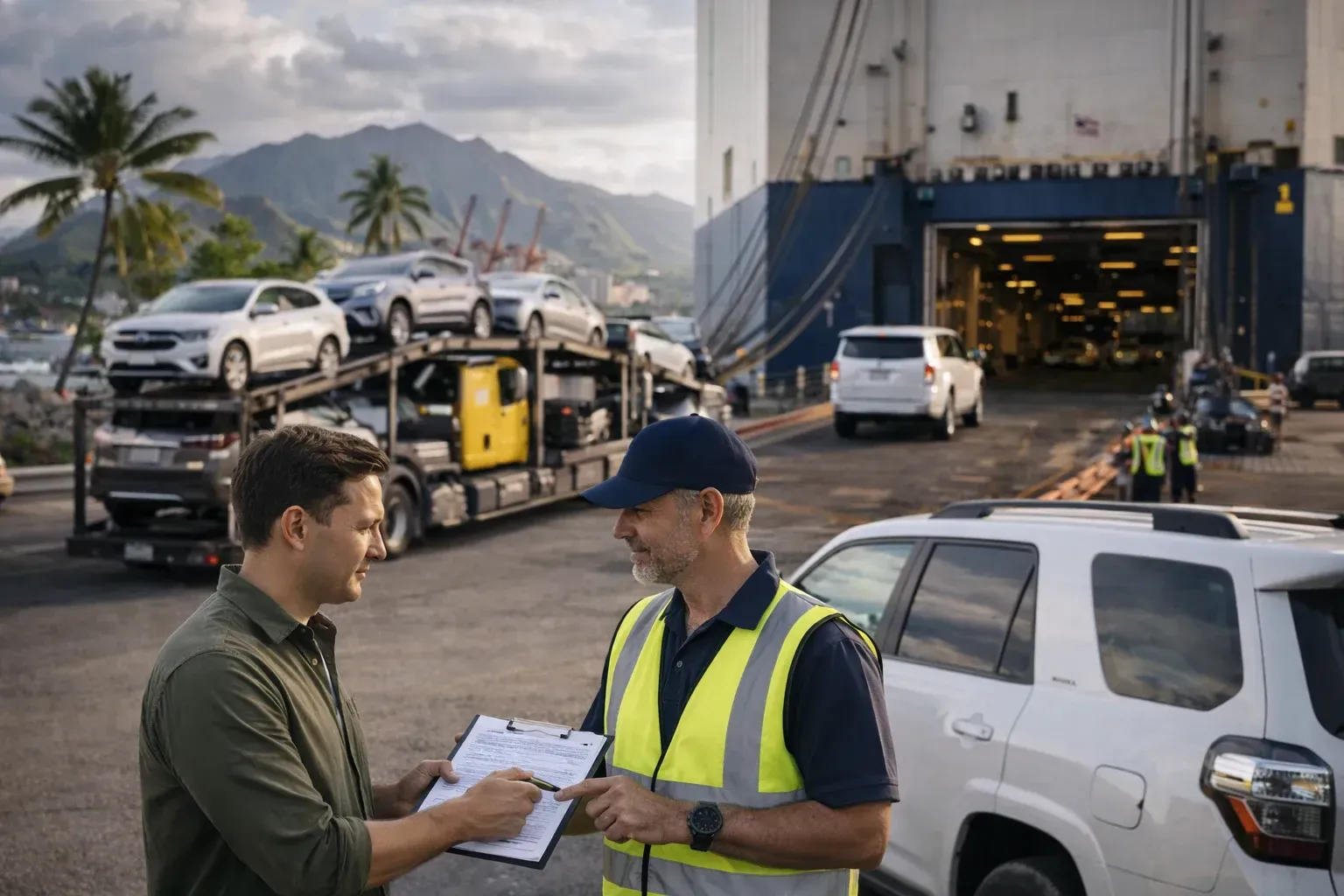
Every vehicle going through the car shipping to Hawaii process is inspected before it is accepted at the Matson terminal. This inspection confirms the vehicle meets all preparation requirements and creates an official record of its condition before transport begins.
During the inspection, the carrier or terminal agent will walk around the exterior and note all existing damage, check the interior to confirm it is free of prohibited items, verify the vehicle starts and drives normally, record the mileage, and document the overall condition in a written inspection report.
This inspection report is attached to or incorporated into theBill of Lading and it is your most important protection against post-transport damage disputes. Walk alongside the inspector, review every note before signing, and keep your copy. If anything is listed incorrectly or an existing mark is missed, request a correction on the spot before the document is finalized.
For a full walkthrough of what to expect at this stage, see our guide on what to expect on car pickup day.
Tips for Preparing Your Vehicle for Hawaii Car Shipping
A thorough preparation routine before your vehicle reaches the terminal prevents the vast majority of problems customers encounter.
Here is what to do in the days leading up to your drop-off or pickup:
- Remove all personal belongings from the interior, trunk, glove compartment, and any storage pockets or hidden compartments
- Check under seats, in door pockets, and in any areas that are easy to overlook
- Reduce fuel to approximately aquarter tank
- Confirm the battery is fully charged and the car starts without hesitation
- Wash the exterior so any existing scratches or dents are clearly visible during inspection
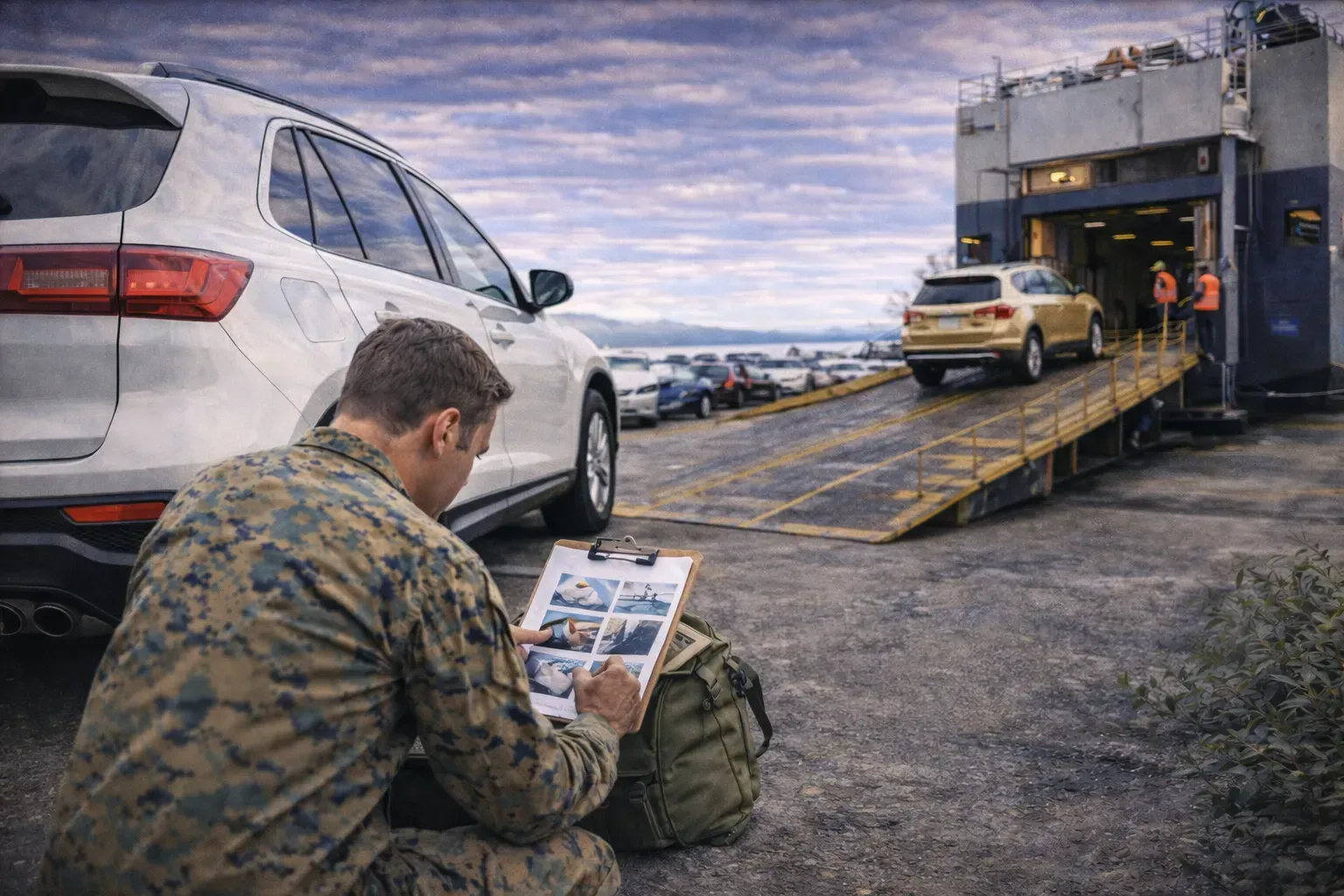
- Take your own photographs of the vehicle from all angles before drop-off front, rear, both sides, and interior
- Have your government-issued ID, vehicle registration, and booking confirmation ready at the terminal
- Disable any aftermarket alarm systems that could trigger or drain the battery during transit
For a complete preparation guide, review the Hawaii car shipping checklist and the required shipping documents list well before your scheduled pickup or drop-off day.
How Car Shipping Hawaii Helps Customers Prepare
At Car Shipping Hawaii, we walk every customer through the preparation process before their vehicle ever reaches the terminal. When you book with us, your dedicated coordinator provides a full vehicle preparation briefing covering what needs to be removed, what documentation is required, and what to expect on the day.
We work exclusively with Matson as our ocean carrier and our team is familiar with every terminal's inspection standards and procedures. That means when your vehicle arrives at the port, it is ready to clear inspection and make its scheduled sailing without complications.
If you have questions about a specific item, an aftermarket accessory, or any other circumstance unique to your vehicle, our team answers those questions directly. There is no need to guess or show up hoping for the best.
For military families managing PCS moves, we offer additional coordination support throughout the process. Learn more about our military car shipping services or explore all available Hawaii auto transport service options.
Final Thoughts on Allowed Items During Car Shipping
The rules around what can and cannot be left inside a vehicle during car shipping to Hawaii are clear and they exist for good reasons. Following them protects your shipment, keeps your vehicle on schedule, and ensures the transport process runs smoothly from start to finish.
The preparation steps are straightforward: remove all personal belongings, reduce fuel, charge the battery, clean the exterior, and arrive with your documents ready. Vehicles that show up properly prepared clear the terminal quickly and make their sailings without issue.
If you are ever unsure about something specific to your situation, the right move is to ask before you arrive at the port not after. That is exactly what our team is here to help with.
Ready to ship your car to Hawaii the right way? Call Car Shipping Hawaii at
(808) 378-7540
or request your free quote online. We will make sure your vehicle is prepared, compliant, and on its way to the islands without any surprises.
Camilo Jaime
Camilo Jaime is an experienced Hawaii auto transport specialist with deep knowledge in car shipping logistics, Matson vessel coordination, port protocols, military PCS relocations, and a wide range of ocean freight services. He understands the challenges that come with shipping vehicles to and from the Hawaiian islands for families, service members, and businesses alike.
Through his blogs at Car Shipping Hawaii, Camilo shares practical shipping tips, cost-saving advice, and insights drawn from real coordination experience. His goal is to help readers make confident decisions about Hawaii vehicle transport and learn straightforward ways to navigate port requirements, sailing schedules, and service options. With a clear and honest writing style, Camilo focuses on real solutions that make the car shipping process simple, stress-free, and affordable for every customer.
You Might Also Like