Understanding Hawaii Car Shipping Insurance: What You Need to Know
Most people shipping a car to Hawaii for the first time assume their vehicle is fully covered from the moment it leaves the driveway to the moment it arrives at the island port. After 18 years in this industry, I can tell you that assumption is one of the most common and most costly misunderstandings we see. Understanding Hawaii car shipping insurance is not complicated once someone walks you through it clearly, and that is exactly what most brokers never do. We make it a point to explain every layer of coverage before any customer books with us, because knowing what protects your vehicle matters just as much as knowing what you are paying.
Table of Contents
The Two Layers of Coverage You Need to Know
When you ship a car to Hawaii, your vehicle passes through two distinct phases of transport. Each phase has its own coverage structure, its own limits, and its own rules. Treating them as one lump of protection is where people get into trouble. We always walk our customers through both layers before booking so there are no surprises on the other end.
Here is a simple breakdown before we go deeper:
| Phase | Coverage Type | Limit |
|---|---|---|
| Overland to port (trucking) | Cargo insurance via land carrier | Up to $100,000 |
| Ocean voyage (vessel) | Carrier liability via Matson | Up to approximately $8,000 (standard) |
Layer One: Land Transport Coverage
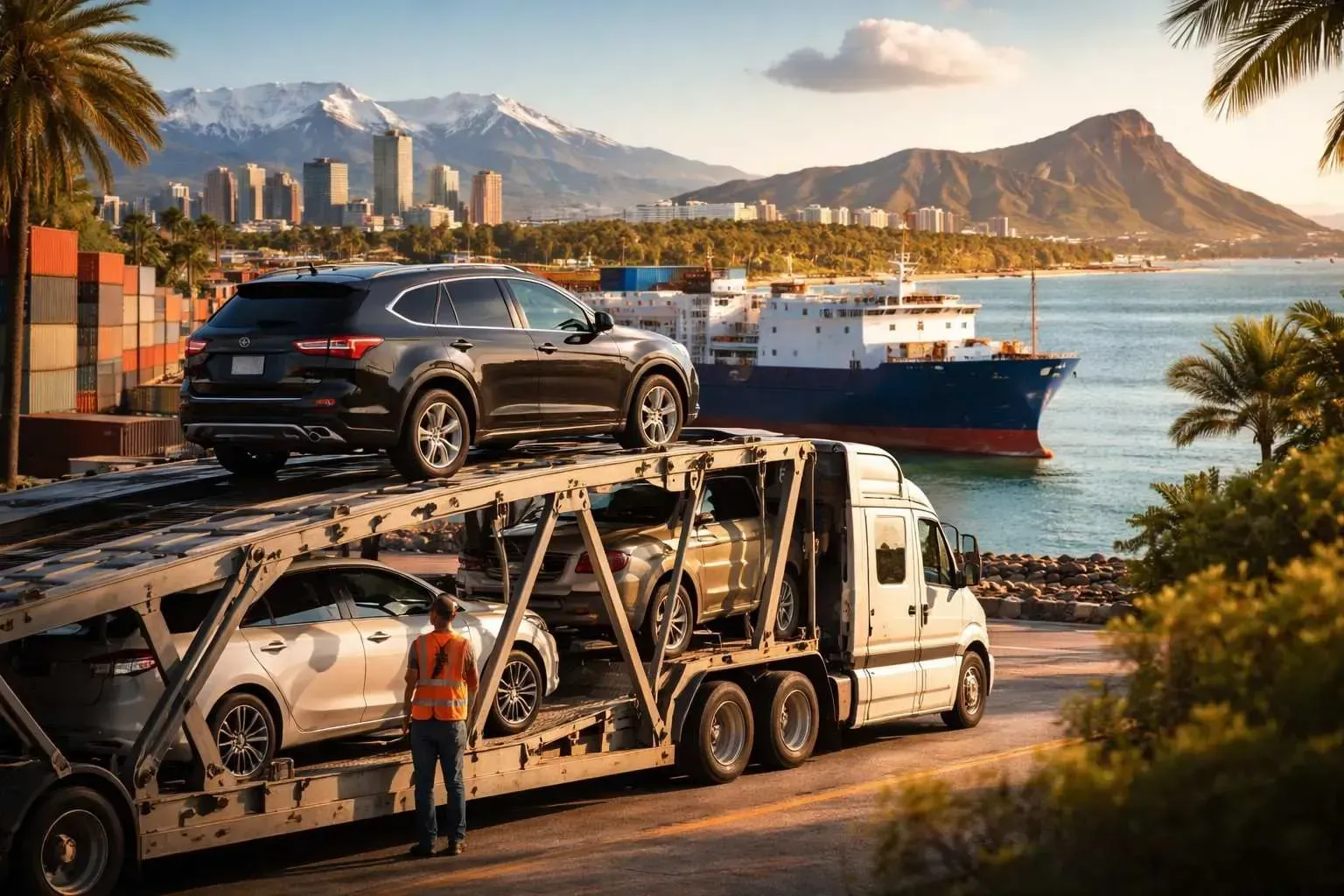
When a truck picks up your vehicle and drives it to the port in Long Beach or Oakland, the land carrier transporting it carries up to $100,000 in cargo insurance. This coverage applies to your vehicle while it is on that truck during the overland portion of the journey. For most standard vehicles, this is more than adequate protection for that leg of the trip. The land carrier is responsible for the vehicle from pickup to port drop-off.
This is one of the reasons we take the door-to-port service seriously. When we coordinate the land transport, we are selecting carriers who carry proper cargo insurance and meet our standards. That matters when something goes wrong.
Read Also:
Door-to-Port Car Shipping
Layer Two: Ocean Transport Liability
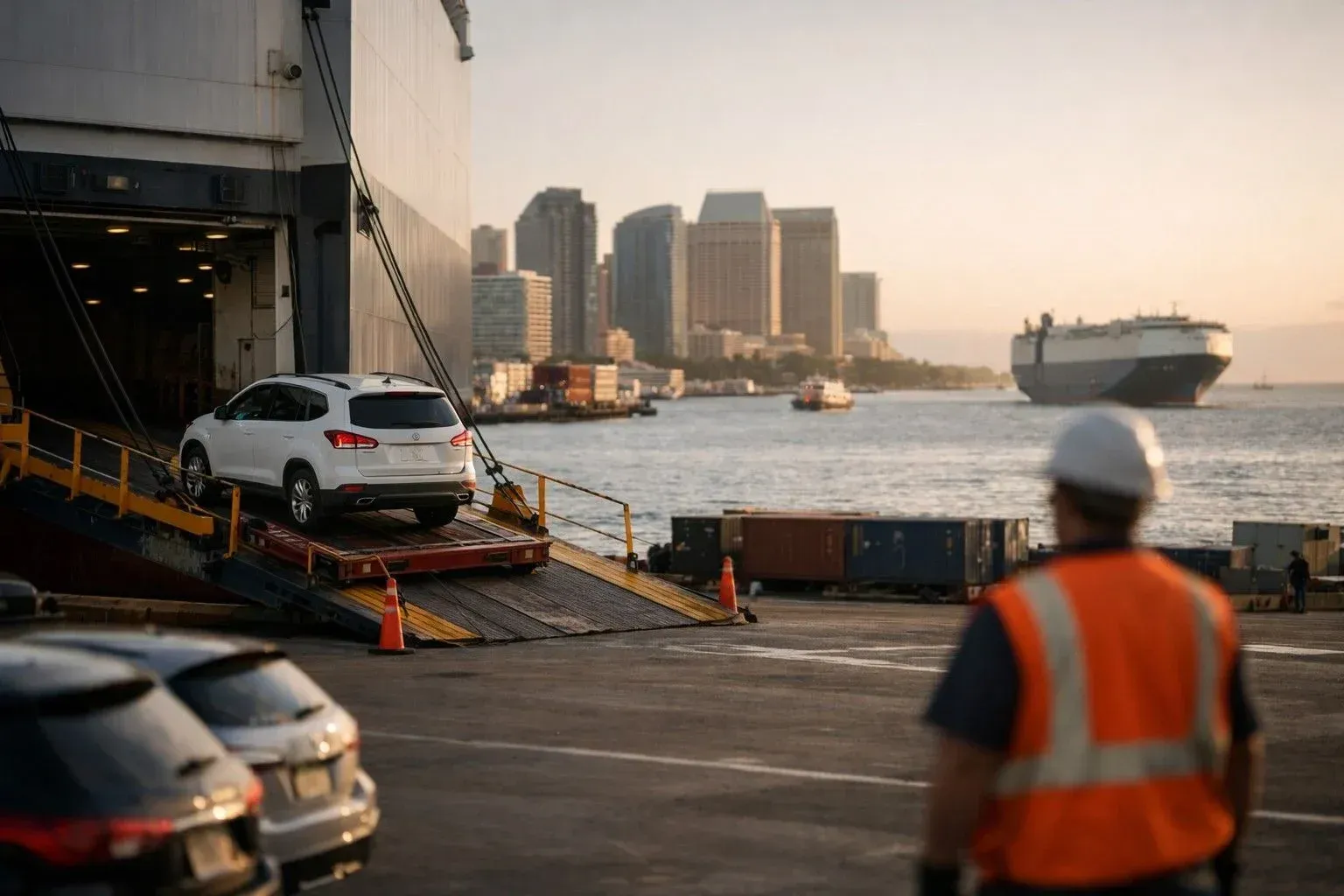
This is the layer most brokers never explain, and it is the one that catches people off guard. Once your vehicle is loaded onto a Matson vessel for the ocean crossing, Matson's standard carrier liability is limited to the actual damage sustained, up to approximately $8,000 for an average-sized vehicle. This is not insurance in the traditional sense. It is a liability cap, meaning Matson is responsible for documented transport damage up to that threshold under standard terms.
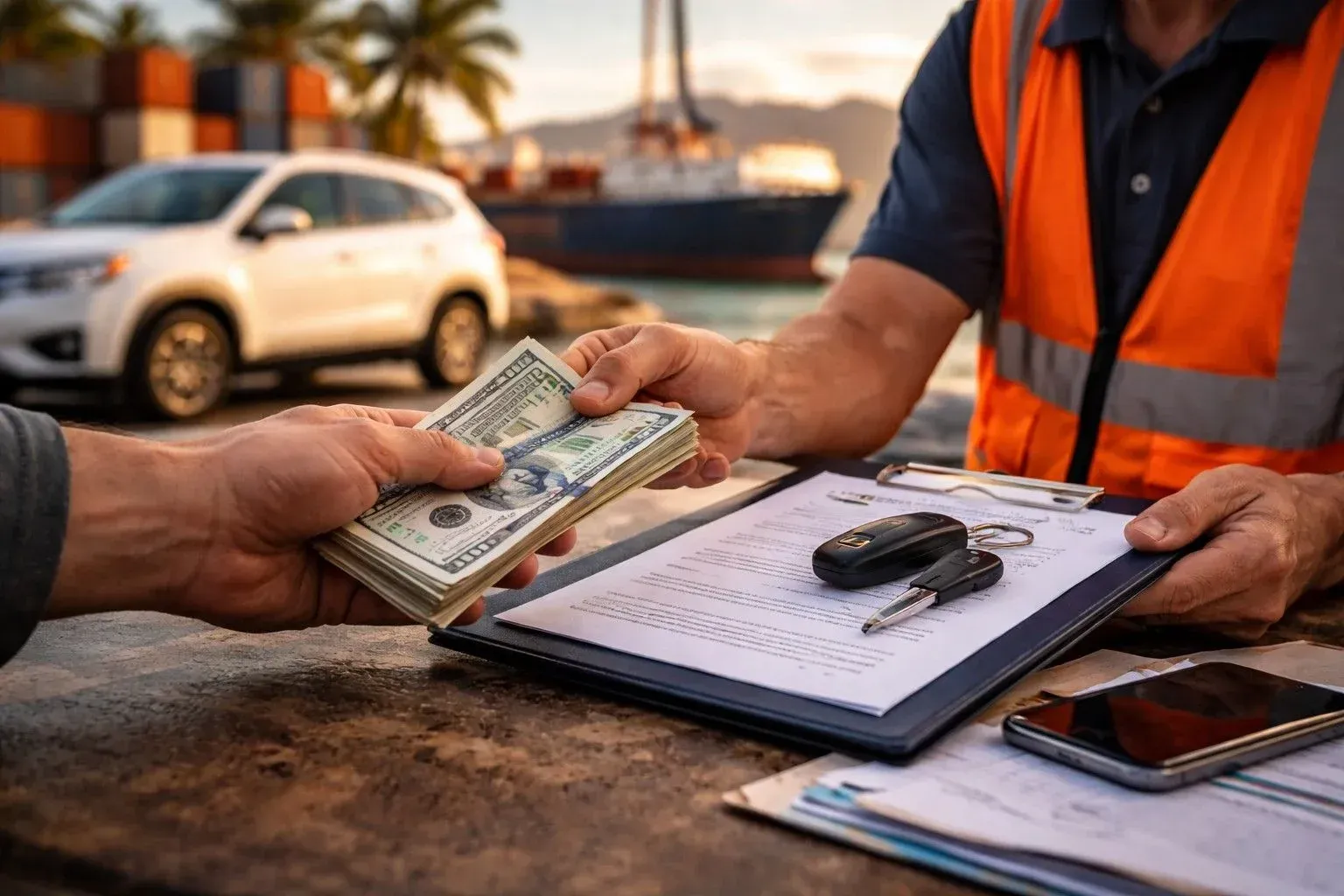
If your vehicle is worth significantly more than $8,000, and many are, you have the option to declare a higher vehicle value on your Dock Receipt. By paying an additional freight rate at the time of booking, you can increase that liability limit up to the full value of your vehicle. We always make sure our customers know this option exists before the vehicle ever leaves the driveway.
For context on where this fits into your overall shipping cost, ocean freight from Long Beach or Oakland to Honolulu typically runs between $1,300 and $1,600. Neighbor island destinations like Maui, Kauai, and the Big Island run between $2,100 and $2,500. Declaring a higher vehicle value adds to that cost, but for a high-value vehicle it is absolutely worth considering.
Does Your Personal Auto Insurance Cover Ocean Shipping?
This is a question I get at least a few times a week. The honest answer is: it depends on your policy. Some personal auto insurance policies do extend coverage to ocean transport. Many do not. We always recommend that every customer call their auto insurance carrier directly before shipping and ask specifically whether ocean transit is covered under their current policy.
Do not assume. A quick phone call to your insurer before drop-off day can save you a significant headache if anything goes wrong during the voyage. This is one of those steps that costs nothing but can protect everything.
How to Protect Yourself Before Drop-Off
Understanding Hawaii car shipping insurance is only half the equation. The other half is documentation. No matter what coverage applies to your shipment, your ability to file a successful claim depends almost entirely on the condition records you create before the vehicle leaves your hands.
Here is what we tell every customer to do before drop-off:
- Photograph every panel, every corner, every angle of the exterior in good lighting
- Photograph the interior, dashboard, and any existing wear or damage
- Note existing chips, scratches, or dents on the condition report at the port
- Save copies of all photos with timestamps before and after the trip
- Photograph the vehicle again immediately at port pickup before driving away
These photos are your evidence. Without them, claims become difficult to prove regardless of what coverage is in place. This step takes fifteen minutes and protects an asset worth thousands of dollars.
Also remember that your vehicle needs to be clean of mud, soil, and debris before drop-off due to Hawaii's agricultural biosecurity requirements. A clean vehicle is also easier to document accurately before shipping.
Read Also:
Hawaii Port Guide
What to Do If Your Vehicle Arrives with Damage
If your vehicle arrives with damage that was not present at drop-off, do not drive away from the port without documenting it. Note the damage on the delivery receipt before signing. Photograph everything immediately. Then contact us. We help our customers navigate the claims process and can guide you on who to contact based on which phase of transport the damage likely occurred.
This is another reason why working with a team that stays with you from booking to delivery matters. Most brokers hand you off after booking. We do not. If something comes up at delivery, you are not calling a 1-800 number or waiting on hold. You are calling the same team that booked your shipment and knows your vehicle.
It is also worth noting that this same diligent documentation approach applies whether you are shipping from the mainland to Hawaii or from Hawaii back to the mainland. Ocean freight from Honolulu to Long Beach or Oakland runs between $900 and $1,200. Neighbor island to mainland routes run between $1,900 and $2,200. In every case, the two-layer coverage structure applies in reverse and the same preparation steps protect you.
Final Thoughts from Our Team
Here are the three things every customer should walk away knowing about Hawaii car shipping insurance:
- There are two distinct coverage layers. Land transport carries up to $100,000 in cargo insurance. Ocean transport has a standard carrier liability of approximately $8,000, which can be increased by declaring a higher vehicle value on the Dock Receipt.
- Your personal auto insurance may or may not cover ocean transit. Call your insurer before drop-off day and ask directly.
- Documentation is everything. Photograph your vehicle thoroughly before and after shipping. It is the single most important thing you can do to protect yourself.
We have been doing this for 18 years and our 4.9-star Google rating reflects how seriously we take every shipment. Most brokers never explain any of this. We consider it our job to make sure you understand exactly what covers your vehicle, what your options are, and what you need to do to protect yourself every step of the way.
Call us at
808-378-7540, Monday through Friday, 8AM to 6PM HST. I answer the phone, and our team works through every detail with you personally from booking to delivery.

Camilo Jaime
Camilo Jaime is an experienced Hawaii auto transport specialist with deep knowledge in car shipping logistics, Matson vessel coordination, port protocols, military PCS relocations, and a wide range of ocean freight services. He understands the challenges that come with shipping vehicles to and from the Hawaiian islands for families, service members, and businesses alike.
Through his blogs at Car Shipping Hawaii, Camilo shares practical shipping tips, cost-saving advice, and insights drawn from real coordination experience. His goal is to help readers make confident decisions about Hawaii vehicle transport and learn straightforward ways to navigate port requirements, sailing schedules, and service options. With a clear and honest writing style, Camilo focuses on real solutions that make the car shipping process simple, stress-free, and affordable for every customer.
You Might Also Like